
The inauguration of this group marks the commencement of a intensive four-month consultative phase. The primary objective is to codify a robust, actionable research strategy that transcends the traditional, fragmented nature of tinnitus studies. By consolidating resources and expertise, Tinnitus UK aims to transition from a facilitator of general awareness to a strategic driver of targeted, life-changing research.
Contextualizing the Crisis: The Scale of the Challenge
Tinnitus is not a disease in itself, but a symptom of an underlying condition or a manifestation of complex neurological processing errors. According to global health data, roughly 10% to 15% of the general population experiences some form of chronic tinnitus. Of those, approximately 1% to 3% suffer from severe, debilitating cases that profoundly interfere with their ability to function.
Historically, tinnitus research has suffered from a lack of standardisation. Clinical trials have often utilized disparate outcome measures, making it difficult to compare the efficacy of various therapies—from Cognitive Behavioral Therapy (CBT) and sound enrichment to experimental pharmacological or neuro-stimulation interventions. The creation of the Research Evolution Group is, in part, a response to this lack of uniformity. By bringing together the National Institute for Health and Care Research (NIHR) Nottingham Biomedical Research Centre, University College London (UCL), and industry leaders like Neuromod and Cochlear, the initiative seeks to align disparate research streams toward a common set of prioritized goals.
The Anatomy of the Research Evolution Group
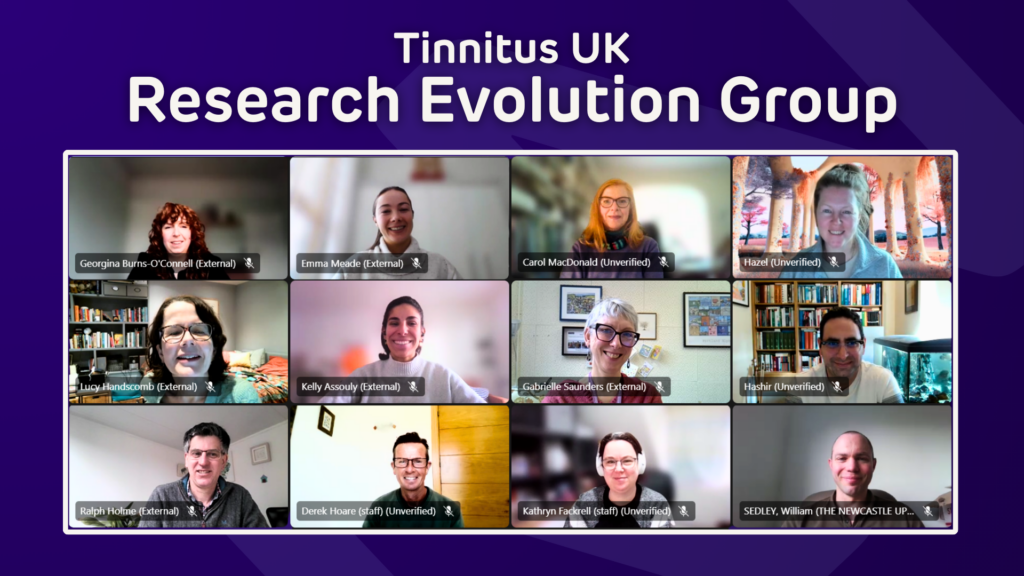
The composition of the REG is intentionally diverse to ensure that any forthcoming research strategy is grounded in both scientific rigor and real-world applicability. The group is led by Nicola Heron of the Medicines Discovery Catapult, a choice that underscores the organization’s intent to move closer to therapeutic discovery.
The membership roster includes:
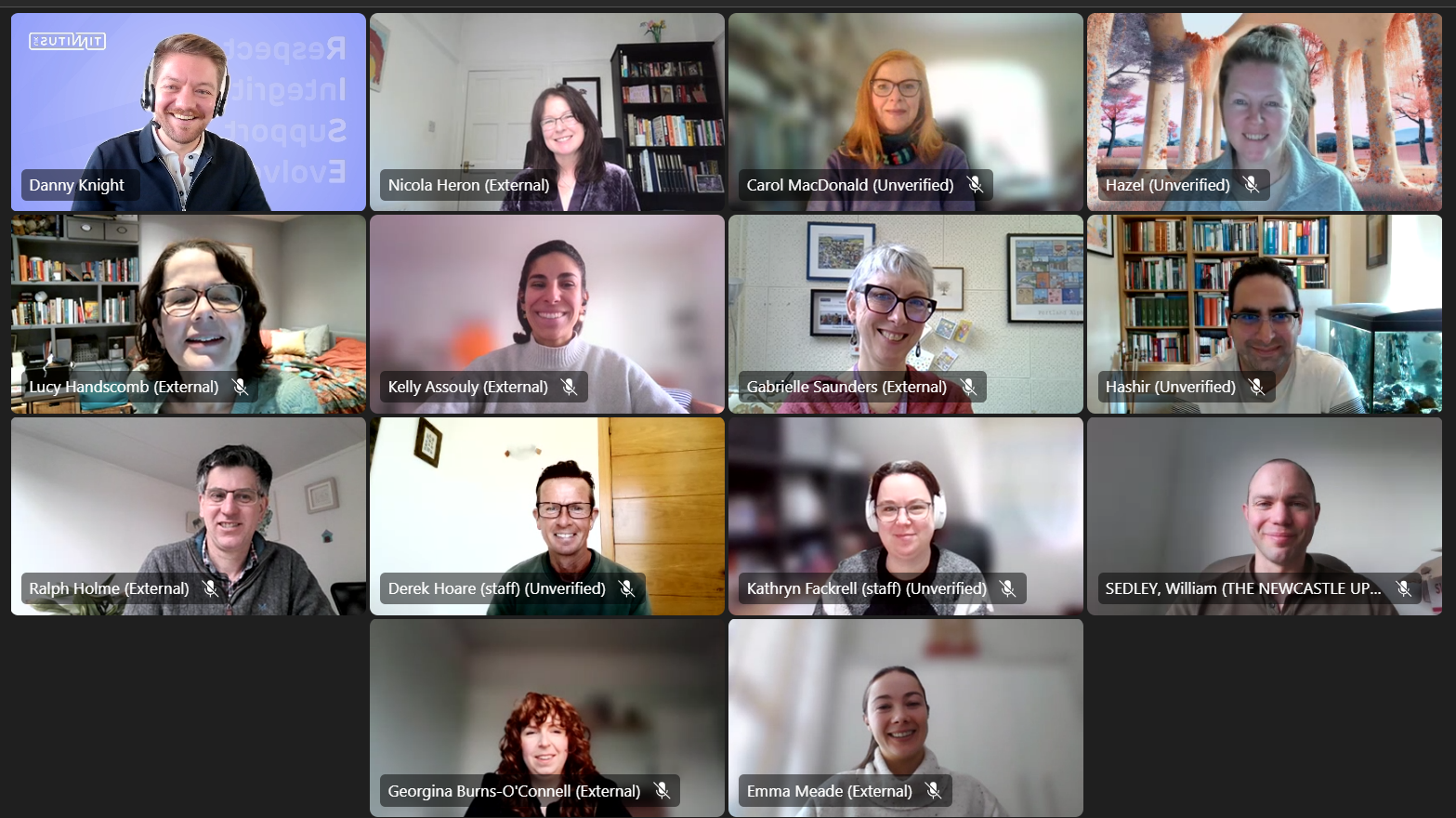
- Clinical and Scientific Experts: Derek Hoare, Kathryn Fackrell, and Carol MacDonald (Nottingham BRC), Lucy Handscomb (UCL), Gabrielle Saunders (University of Manchester), Hashir Aazh (Hashir Institute), Will Sedley (Newcastle University), and Georgie Burns-O’Connell (Aston University).
- Industry and Advocacy Partners: Ralph Holme (RNID), Hazel Goedhart (Tinnitus Hub), Emma Meade (Neuromod), and Kelly Assouly (Cochlear).
This coalition represents a deliberate bridge between bench-side science and patient-centered care. By integrating the perspectives of those developing hardware (such as cochlear implants and neuromodulation devices) with those studying the psychological impacts of the condition, Tinnitus UK is positioning itself to address the full spectrum of the patient experience.
Chronology and Strategy Development
The February 24th meeting served as the foundational session for a structured four-month roadmap. The agenda focused on three core pillars: defining high-impact areas, establishing a methodology for project prioritization, and creating a framework for collaborative accountability.
- Phase 1 (Month 1): Identification of existing "research white spaces"—areas where tinnitus studies are currently under-resourced or lack evidence.
- Phase 2 (Months 2-3): Deliberative sessions to discard low-impact research avenues and refine the strategic focus to areas with the highest potential for clinical breakthrough.
- Phase 3 (Month 4): Finalization of a five-year research investment strategy, aimed at guiding donor funding and academic grants toward the identified priority areas.
A key theme of the inaugural meeting was the necessity of "constructive exclusion." The group acknowledged that the charity cannot solve every aspect of tinnitus simultaneously. Consequently, the strategy will explicitly define what the organization will not prioritize, allowing for a concentration of limited resources on pathways that offer the most significant promise for symptom reduction or long-term management.

Data-Driven Implications for Future Care
The implications for the tinnitus community are significant. For years, the patient experience has been characterized by a "wait and see" approach from primary care providers, often resulting in feelings of abandonment or helplessness. The formalizing of a strategic research agenda suggests that, within the next decade, patients may see a shift toward more standardized, evidence-based management protocols.
Furthermore, the involvement of industry leaders suggests an intent to accelerate the translation of laboratory discoveries into commercialized medical devices. The involvement of firms like Neuromod—which has pioneered bimodal neuromodulation—indicates that the group is looking beyond traditional counseling toward active, technological interventions.
From an academic perspective, the collaboration between centers like the University of Manchester and the Nottingham BRC is expected to harmonize data collection protocols. Standardizing how tinnitus is measured—for instance, using consistent metrics for loudness, annoyance, and impact on sleep—is a prerequisite for any drug or device to receive regulatory approval. By setting these standards, the REG is effectively laying the groundwork for the next generation of clinical trials.
Official Perspectives and Industry Reaction
While the group operates with a high degree of internal focus, the broader research community has reacted with cautious optimism. Industry observers note that the inclusion of RNID (Royal National Institute for Deaf People) alongside Tinnitus UK suggests a rare, high-level alignment between hearing loss advocacy and tinnitus-specific research. This synergy is crucial, as the majority of tinnitus cases are co-morbid with hearing impairment.
"Success in tinnitus research does not come from promises of instant cures," noted one representative during the meeting. "It comes from steady, thoughtful progress." This sentiment reflects a move away from the "miracle cure" narrative that has occasionally permeated the sector, favoring instead a model of incremental, measurable progress that builds trust with both the clinical community and the patient population.
Analysis: A New Era of Professionalism
The formation of the Research Evolution Group represents a maturation of the tinnitus advocacy sector. By moving from a reactive stance—simply providing support services—to a proactive, strategic stance, Tinnitus UK is asserting its role as a central node in the medical research ecosystem.
The challenge ahead for the group remains significant. Funding for tinnitus research has historically lagged behind that of other sensory conditions, such as blindness or mobility-impairing diseases. To succeed, the REG must demonstrate that its proposed research strategy is not merely academic, but capable of producing tangible shifts in patient outcomes. This will require not only the intellectual contributions of the members but also the ability to secure sustained funding and influence public health policy.
As the group moves into its second month of operations, the focus will shift toward translating these initial, high-level discussions into a concrete document. The resulting strategy will be the first of its kind for the organization, acting as a blueprint for the next five to ten years of research activity. For the millions living with the constant, intrusive noise of tinnitus, the work of this group represents more than just another meeting; it is a signal that the scientific and medical communities are finally, and systematically, beginning to listen.