
The Onset of a Life-Altering Condition
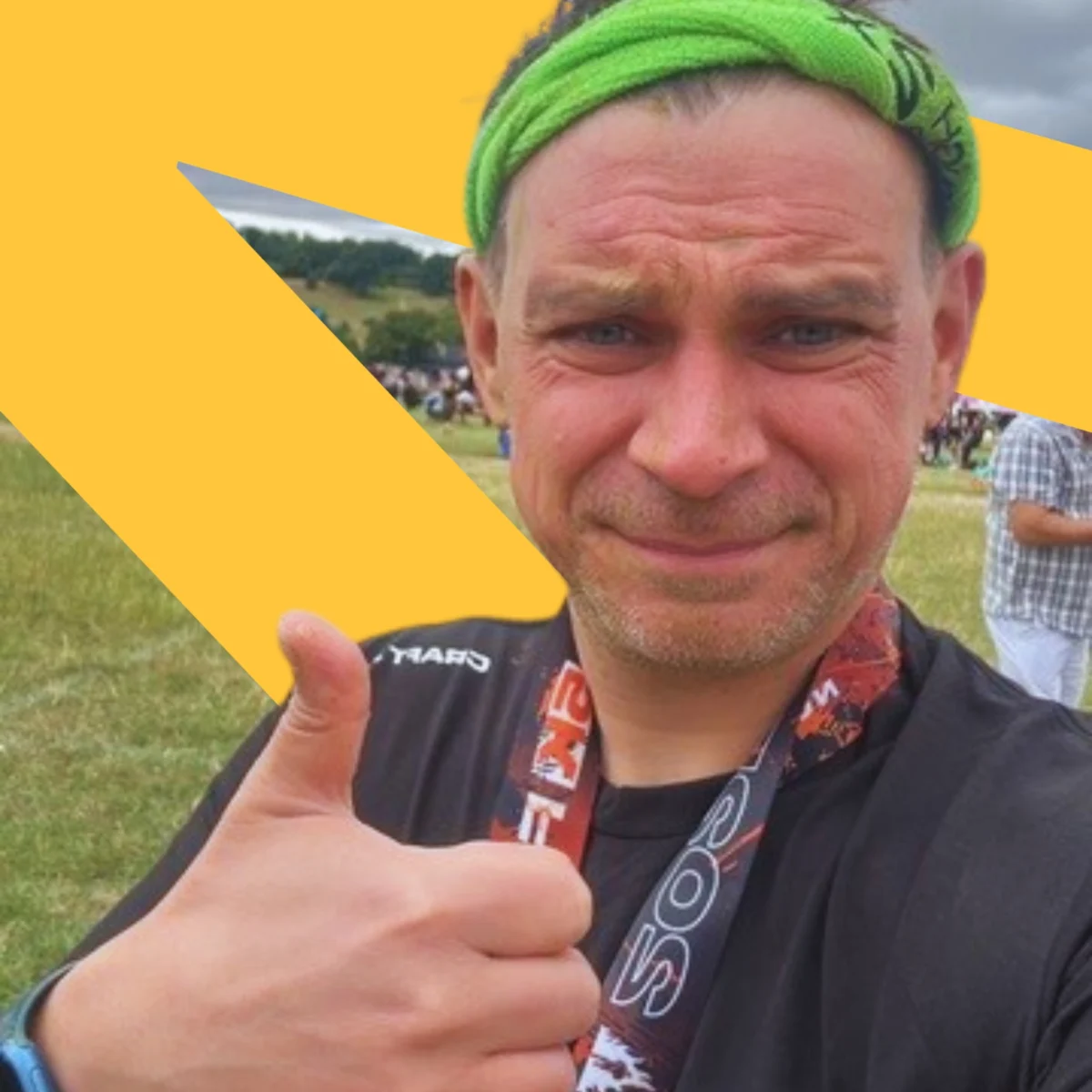
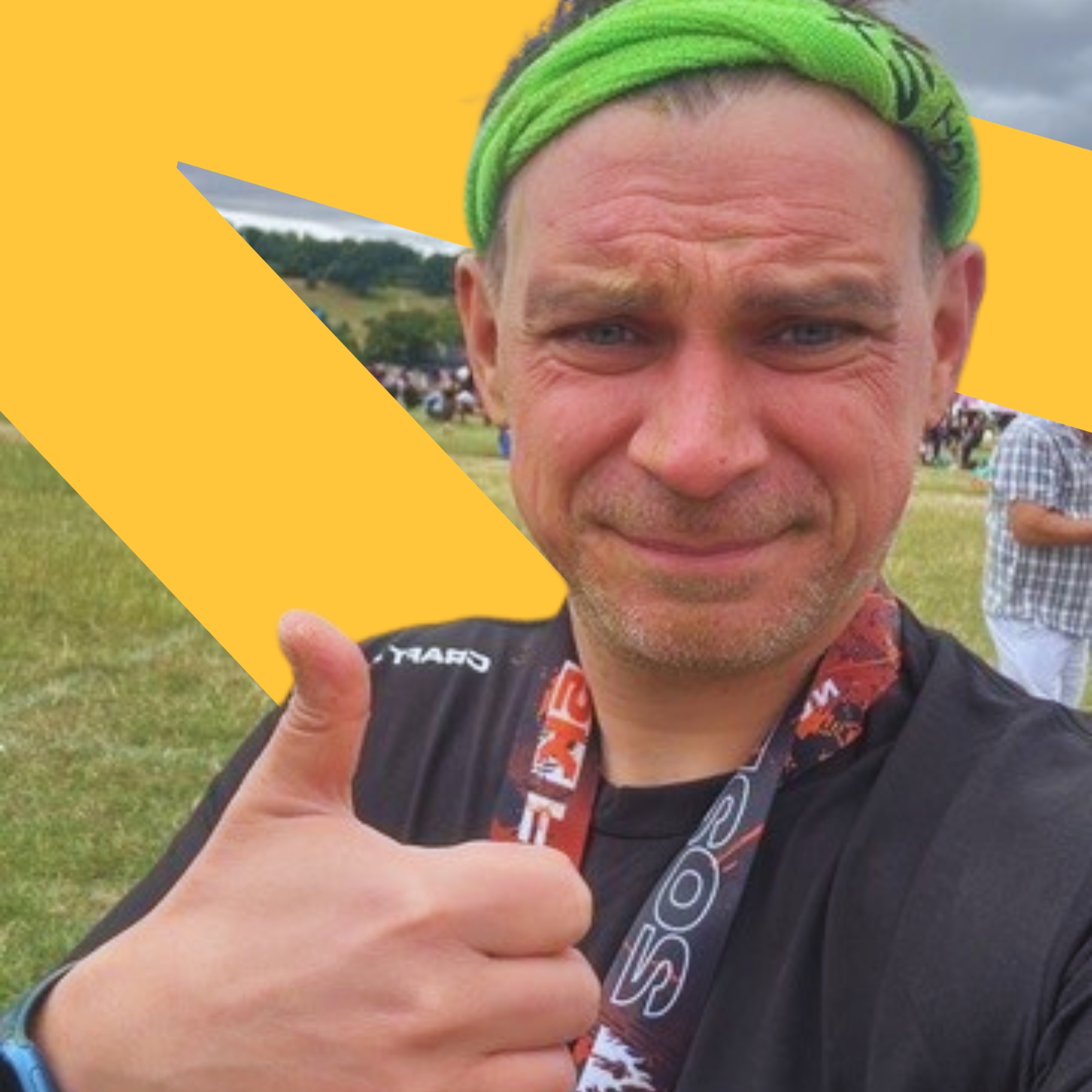
The journey that led Ives to the start line of the North Lincolnshire Half Marathon began in December 2024. Following a suspected inner ear infection, Ives experienced the sudden onset of tinnitus and hyperacusis—a condition characterized by an increased sensitivity to everyday sounds.
For many, tinnitus—the perception of noise or ringing in the ears—is a temporary nuisance. For others, it is a chronic, life-altering experience. In the weeks following his initial diagnosis, the symptoms intensified for Ives, transforming from fleeting sounds into a constant, intrusive presence. This period, which Ives describes as a "dark place," saw him grappling with the psychological toll of chronic auditory disturbances. The lack of a clear medical explanation or a definitive cure often leaves patients feeling isolated. The clinical pathway—typically involving general practitioner consultations, ENT referrals, and MRI scans—frequently concludes with a frustrating prognosis: the absence of a life-threatening cause followed by a directive to "learn to live with it."
Chronology of Recovery and Advocacy
Ives’ path to recovery was not linear. After months of struggling, he turned to the digital infrastructure provided by Tinnitus UK, specifically their online support groups. These forums provided more than just medical information; they offered a crucial peer network of individuals navigating the same psychological landscape.
- December 2024: Onset of sudden tinnitus and hyperacusis following an inner ear infection.
- Early 2025: Period of acute psychological distress and withdrawal from physical activities, including running.
- Mid-2025: Engagement with Tinnitus UK online support groups; development of coping mechanisms, including the gradual reintroduction of music at controlled volumes.
- July 2025: Successful completion of the Tough Mudder event, marking a turning point in his physical and mental recovery.
- March 1, 2026: Participation in the North Lincolnshire Half Marathon to raise funds and awareness for Tinnitus UK.
By July 2025, Ives had reclaimed his passion for running, viewing it as a tool for empowerment rather than a source of stress. His transition from a patient seeking help to an advocate raising funds highlights the importance of patient-led initiatives in the charity sector.
The Scope of the Tinnitus Crisis
Tinnitus is a significant public health concern in the United Kingdom and globally. According to data from the British Tinnitus Association (Tinnitus UK), approximately 7.6 million people in the UK live with some form of the condition. While the severity varies from mild annoyance to debilitating distress, the economic and social implications are profound.
Current medical standards focus heavily on "management" rather than "treatment." Cognitive Behavioral Therapy (CBT), sound therapy, and hearing aids are the primary interventions, but they do not address the biological origin of the sound. This highlights a critical funding gap. While significant resources are poured into symptom management, scientific research into the underlying causes—and potential restorative treatments—remains underfunded relative to the scale of the population affected.

The Role of Advocacy and Charitable Support
Charities like Tinnitus UK occupy a unique space in the healthcare ecosystem. They provide the emotional and practical scaffolding that the NHS, often constrained by capacity and wait times, cannot always offer.
The importance of this support cannot be overstated. When patients are told that there is no cure, the risk of developing secondary conditions—such as anxiety, depression, and social isolation—increases significantly. Support groups serve as a vital intervention, normalizing the experience for the patient and providing a framework for adaptation.
Ives’ decision to fundraise is an attempt to sustain these services. By increasing the visibility of the charity, he is ensuring that others facing the same initial "darkness" do not feel forced to navigate their diagnosis in isolation. Furthermore, his efforts are directed toward a broader goal: influencing the prioritization of scientific research. The long-term objective of the community is to transform tinnitus from a permanent condition into one that is as treatable as other common health issues.
Broader Implications for Public Health
The fundraising efforts of individuals like Chris Ives have a ripple effect that extends beyond the donation tally. When participants share their stories, they demystify the condition, reducing the stigma associated with invisible disabilities.

From an institutional perspective, the advocacy work performed by charities is essential for lobbying the government and medical research councils. As the prevalence of noise-induced hearing loss potentially increases due to modern lifestyle factors—such as the widespread use of high-decibel personal audio devices—the demand for Tinnitus UK’s services is likely to rise.
Medical professionals and researchers often point to the need for a "paradigm shift" in how tinnitus is perceived. By treating it as a legitimate medical condition requiring dedicated research, rather than a mere lifestyle inconvenience, the medical community can move closer to developing evidence-based pharmaceutical or surgical interventions.
A Call to Action
As Ives prepares for his run, his message to the public is clear: support is not just about the money, but about the recognition of a widespread, yet overlooked, struggle. Each donation to his campaign facilitates the operation of support groups and sustains the pressure on the scientific community to innovate.
For those watching, the North Lincolnshire Half Marathon is a reminder that while the medical community continues its slow search for a cure, the patient community is already forging its own path to wellness. The endurance required to train for 13.1 miles is, in many ways, a metaphor for the daily persistence required to live with tinnitus.

As the sporting event approaches, Tinnitus UK has expressed gratitude for the dedication shown by advocates like Ives. For the millions of Britons who wake up every day to a sound that never stops, the efforts of one runner on a Sunday in March represent a tangible step toward a future where silence is no longer an elusive luxury, but a reachable reality. Whether or not a cure is found in our lifetime, the work done today ensures that no one has to walk that journey alone.