Logistical Framework and Strategic Planning
The 2026 conference is being steered by Conference Chair Milmaglyn Morales, working in close coordination with the NAD Board of Directors. Recent site visits to San Francisco have enabled leadership to evaluate the host venue’s accessibility features and finalize operational workflows. These preparations are overseen by Interim CEO Bobbie Beth Scoggins, whose mandate includes ensuring that the event meets rigorous standards for communication access, a cornerstone of the NAD’s mission.
The success of the 2026 gathering relies heavily on a coalition of stakeholders. The NAD has cultivated partnerships with a diverse array of organizations, including the Registry of Interpreters for the Deaf (RID) Region V, Deaf in Government, and the National Deaf Education Committee (NDEC). Local support is bolstered by the City of San Francisco’s Office of Disability and Access, alongside pivotal regional agencies such as the NorCal Services for the Deaf and Hard of Hearing, the Greater Los Angeles Agency on Deafness (GLAD), and DCARA. These collaborations are designed to ensure that the conference is not merely an isolated event, but a comprehensive experience that integrates the specific needs and expertise of the California Deaf community.
Chronology and Event Significance
The NAD Conference, historically held on a biennial basis, has served as the bedrock of the organization since its inception in 1880. It provides a formal venue for the ratification of organizational policies, the election of leadership, and the public unveiling of advocacy strategies.
- Early 2026: Phase one of planning concludes with site selections and logistical audits by the Board of Directors and the Conference Chair.
- Spring 2026: The launch of a redesigned digital infrastructure, including a new website, marks the transition to modern, accessible communication tools.
- Mid-2026: Implementation of regional outreach initiatives, ensuring broad representation from affiliate chapters across all fifty states.
- Conference Week 2026: The official convening in San Francisco, featuring workshops, legislative caucuses, and plenary sessions focused on the future of the Deaf movement.
The significance of the 2026 iteration cannot be overstated. With the rapid evolution of communication technology and shifting legal landscapes surrounding the Americans with Disabilities Act (ADA), the conference acts as a critical clearinghouse for information and a catalyst for national policy shifts.
Digital Transformation: The New NAD Web Infrastructure
In tandem with conference planning, the NAD is set to launch a completely redesigned website. This initiative addresses long-standing critiques regarding user interface design and information architecture. By streamlining access to advocacy resources, legal updates, and membership portals, the organization aims to increase its digital reach. Data analytics from the current site have indicated that a significant portion of user engagement stems from mobile devices; the new platform is expected to prioritize responsive design to accommodate this trend, ensuring that community members can access emergency alerts and policy briefings in real time.
Contextualizing Community Challenges
While the mood surrounding the upcoming conference is one of anticipation, the NAD leadership remains cognizant of the persistent structural challenges facing the Deaf and hard-of-hearing population. Current data from the National Institute on Deafness and Other Communication Disorders (NIDCD) and various advocacy groups highlight several areas of critical concern:
- Language Access Gaps: Despite federal mandates, access to qualified sign language interpreters in healthcare, legal, and educational settings remains inconsistent. The shortage of interpreters, exacerbated by the COVID-19 pandemic, has created a "service desert" in many rural and underserved urban areas.
- Educational Inequity: The achievement gap between Deaf students and their hearing peers remains a primary focus. The NAD is currently tracking legislation that impacts the Individuals with Disabilities Education Act (IDEA) and is working to ensure that individualized education programs (IEPs) are robustly enforced.
- Policy and Legislative Shifts: The regulatory landscape regarding disability rights is currently in a state of flux. The NAD Board is actively monitoring judicial interpretations of the ADA that could either strengthen or weaken the scope of reasonable accommodations in employment and public services.
Official Responses and Organizational Mandates
The NAD has articulated a multi-pronged approach to these challenges. By engaging with state associations and regional sections, the organization aims to create a bottom-up advocacy model. This involves active participation in state-level legislative sessions and the provision of legal counsel for cases that set national precedents.
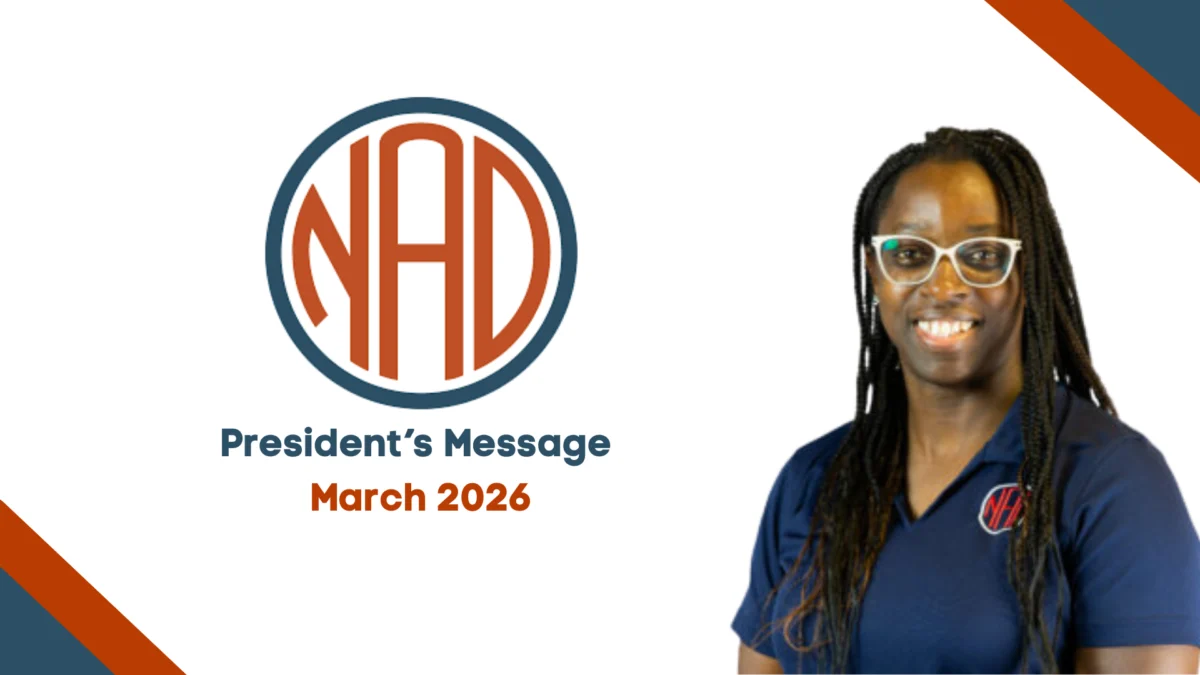
"You matter," President Stephanie emphasized in her recent address, acknowledging that the efficacy of the NAD is derived entirely from the participation of its members. The organization’s strategy involves not only responding to external crises but also fostering internal capacity-building. This includes training new generations of Deaf leaders, supporting local affiliate chapters, and maintaining pressure on federal agencies to uphold the civil rights of all Deaf citizens.
Analytical Outlook: The Path Forward
The 2026 conference represents a pivotal moment for the Deaf community to consolidate its legislative goals. The integration of local California-based agencies into the planning process is a strategic move that reflects an understanding of the state’s massive demographic influence. California has historically been at the forefront of legislative protections for the Deaf, and hosting the conference there offers a unique opportunity to highlight successful policy models that could be replicated on a national scale.
Furthermore, the emphasis on accessibility—ranging from the physical infrastructure of the conference venue to the digital accessibility of the new web platform—demonstrates an internal alignment with the organization’s external advocacy goals. If the NAD successfully executes its digital transformation and maintains its coalition-building efforts, the 2026 conference could serve as a blueprint for modern organizational management in the disability rights sector.
As the date approaches, the NAD continues to update its dedicated conference portal, www.nad.org/sf26, with schedules, registration details, and deadlines. Community members are encouraged to monitor these updates closely, as the conference will ultimately serve as the definitive platform for the organization’s roadmap through the remainder of the decade. The collaborative spirit heralded by the current leadership signals a transition toward a more integrated, responsive, and technologically capable organization, positioned to meet the complexities of a changing American landscape.