Microtia refers to the underdevelopment or absence of the outer ear, while atresia describes the absence or narrowing of the ear canal. When these conditions occur, they frequently result in unilateral hearing loss (UHL) or single-sided deafness (SSD). For decades, the medical and educational communities often minimized the impact of UHL, operating under the assumption that a child with one healthy ear would naturally compensate for the loss. However, modern audiological research has debunked this, demonstrating that UHL creates distinct hurdles in linguistic and social development.
The Clinical Impact of Unilateral Hearing Loss
The challenges faced by children with MA and UHL are most pronounced in complex acoustic environments. Unlike adults, whose brains have already mapped the nuances of language, children are in a critical period of neuroplasticity. When they receive incomplete or muffled auditory input from one side, the brain must work significantly harder to filter, process, and categorize sound.
Data from the American Speech-Language-Hearing Association (ASHA) suggests that children with UHL are at a statistically higher risk for grade retention, the need for resource assistance in schools, and delayed development of social-pragmatic skills. In a standard classroom, background noise—the hum of HVAC systems, the shuffling of chairs, or the murmur of peers—creates a “signal-to-noise” ratio problem. For a child with UHL, the sound source location (localization) becomes unreliable. If a teacher speaks from the side of the child’s affected ear, the child may struggle to distinguish the instruction from the surrounding environmental noise, leading to what clinicians call “listening fatigue.”
A Chronology of Care: The Case of Adeline
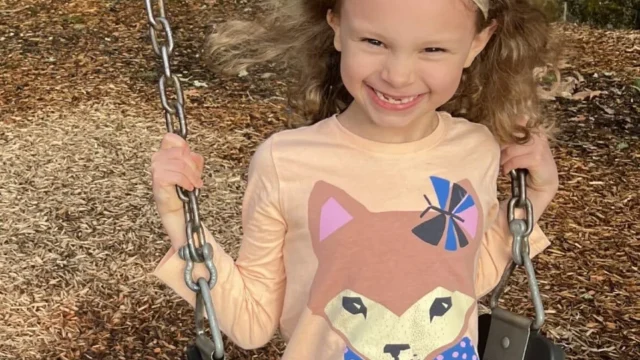
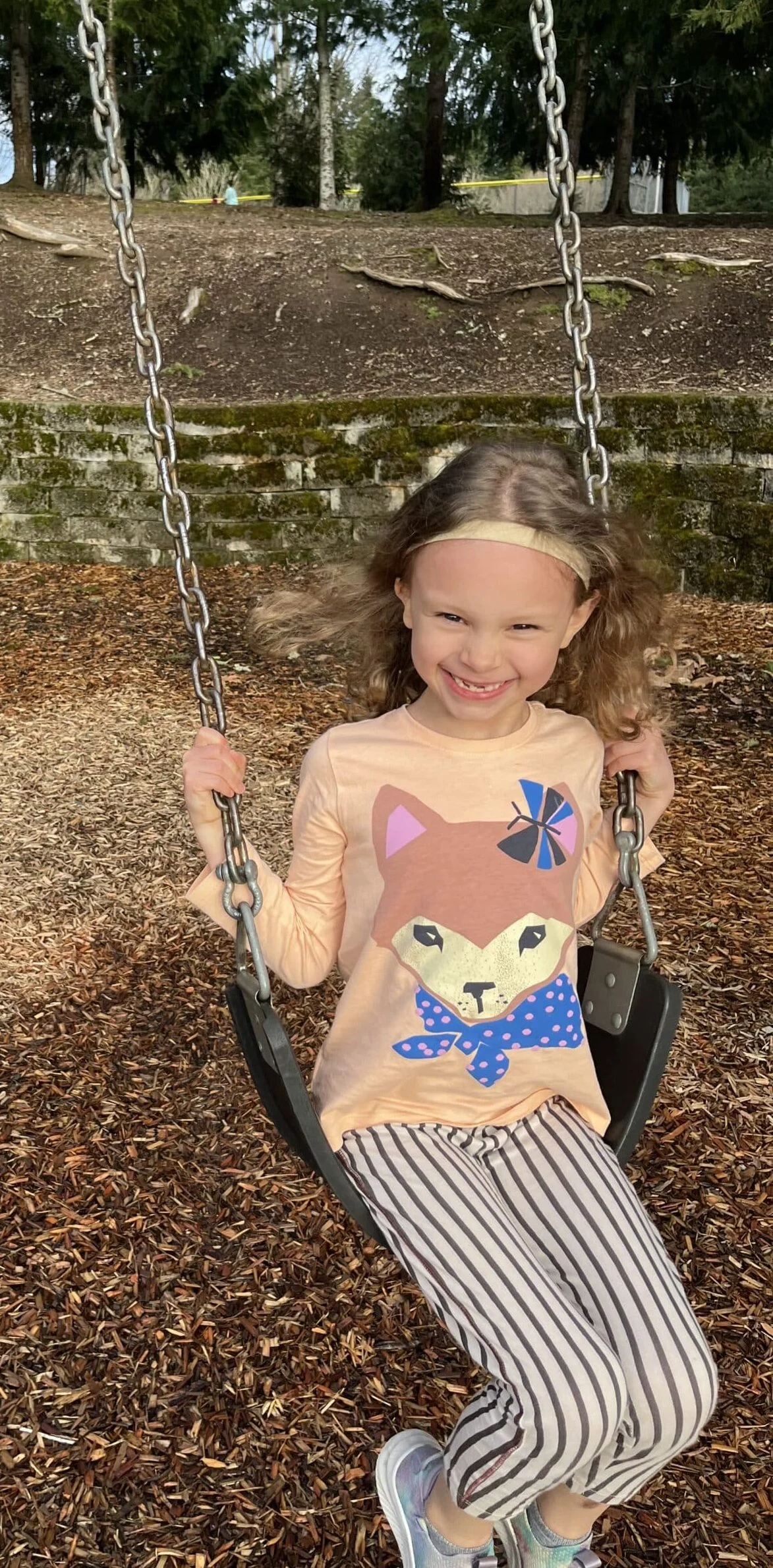
The journey of families affected by MA often begins with a period of uncertainty. For Adeline, a student who received specialized services through the organization Listen and Talk, the diagnosis arrived at five weeks of age. Her parents learned she possessed moderate-to-severe conductive hearing loss in her right ear. As she matured, further diagnostics revealed that the anatomy of her middle ear was fused to her skull, confirming a diagnosis of atresia.
The timeline of Adeline’s intervention illustrates the efficacy of proactive care. In her early childhood, her mother, Jessie, noted that Adeline struggled with sound localization, often restricting her social interactions to familiar, quiet environments. This is a common behavioral manifestation in children who lack full binaural input; they avoid environments that cause sensory overload. Through the support of Listen and Talk, Adeline began receiving LSL-focused intervention, which transitioned from early childhood support to a blended classroom setting, and eventually, to self-advocacy training.
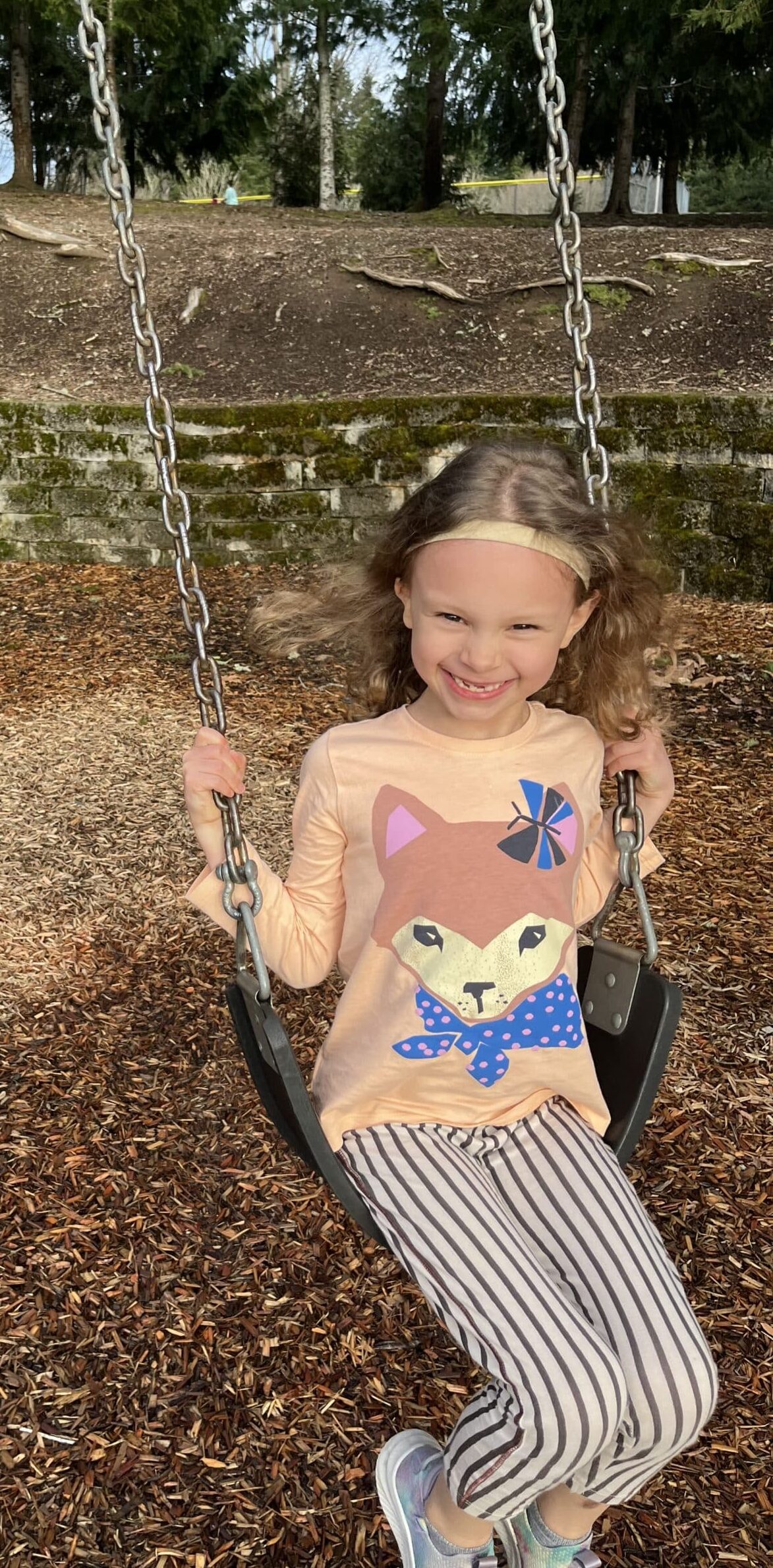
By age six, the trajectory of Adeline’s development shifted. She transitioned into a public school setting, where she not only kept pace with her peers academically but also participated in extracurricular activities such as the school choir—a feat that requires significant auditory monitoring skills. Her success underscores the premise that with the right tools and early intervention, the limitations imposed by MA can be substantially mitigated.
The Mechanism of Listening and Spoken Language (LSL)
LSL education is an evidence-based practice that prioritizes the use of a child’s residual hearing to develop spoken language. Rather than relying on alternative communication methods, LSL specialists coach parents and educators to optimize the auditory environment. This involves specific strategies, such as managing the distance between the speaker and the child, utilizing hearing technology like bone-conduction implants (such as the Ponto devices often used in MA cases), and implementing classroom accommodations that minimize echo and background noise.
The effectiveness of this approach is rooted in the concept of “auditory brain development.” By providing consistent, high-quality, and meaningful sound input, clinicians can stimulate the auditory cortex. For children with UHL, this means teaching the brain to maximize the input from the unaffected ear while learning to interpret the signals from the assisted ear. This is not merely about hearing volume; it is about auditory processing speed and clarity.
Institutional Implications and Advocacy
The broader implications of National Microtia Atresia Awareness Day extend into the realm of public policy and educational equity. Advocacy groups, including Washington Hands and Voices, emphasize that early identification through newborn hearing screenings is only the first step. The second, and perhaps more critical step, is ensuring that families have access to specialized educators who understand the unique needs of children with UHL.
Current research suggests that early intervention services significantly reduce the “achievement gap” often observed in students with hearing loss. Organizations like Listen and Talk serve as a bridge, providing not just direct therapy, but a support network that empowers parents to act as advocates within their local school districts. This shift from “patient” to “advocate” is a vital component of long-term success. When a child learns to explain their own needs—such as the importance of sitting near the teacher or requesting a microphone system—they gain autonomy that prevents the frustration often associated with listening fatigue.
Future Outlook and Support Systems
As medical technology continues to advance, including improvements in surgical reconstruction and bone-anchored hearing systems, the prognosis for children with MA remains increasingly positive. However, technology is only one component of the solution. The human element—the coaching of parents, the training of teachers, and the emotional support of the child—remains the foundation of long-term success.
For parents navigating a new diagnosis, the wealth of information can be overwhelming. Experts recommend a three-pronged approach:
- Clinical Consultation: Engaging with audiologists who specialize in pediatric and congenital hearing differences.
- Educational Strategy: Connecting with organizations that provide LSL-focused support to ensure the child’s learning environment is optimized.
- Community Integration: Joining support networks that offer resources and peer-to-peer connection, ensuring the family does not feel isolated in their experience.
The ultimate goal, as echoed by proponents of LSL education, is a reality where no child is limited by their hearing loss. This is achieved through the persistent, day-to-day application of specialized strategies that treat hearing not just as a medical condition to be managed, but as a dynamic, developing skill to be nurtured.
Supporting the Cause
The work of specialized educational centers is largely dependent on public and private support. Donations fund the essential components of care that are often not covered by standard insurance, including parent coaching, group therapy sessions, and community outreach programs. As we observe National Microtia Atresia Awareness Day, the message to the public is clear: while the anatomical differences associated with MA are permanent, the developmental outcomes for these children are fluid. With the support of specialized programs and the dedication of families like Adeline’s, children with MA are not just overcoming obstacles; they are thriving in every environment they choose to enter. By investing in early intervention today, society ensures that the next generation of children with hearing loss has the voice and the confidence to advocate for their own future.