
The Right Hearing Loss Treatment: A Multifaceted Approach
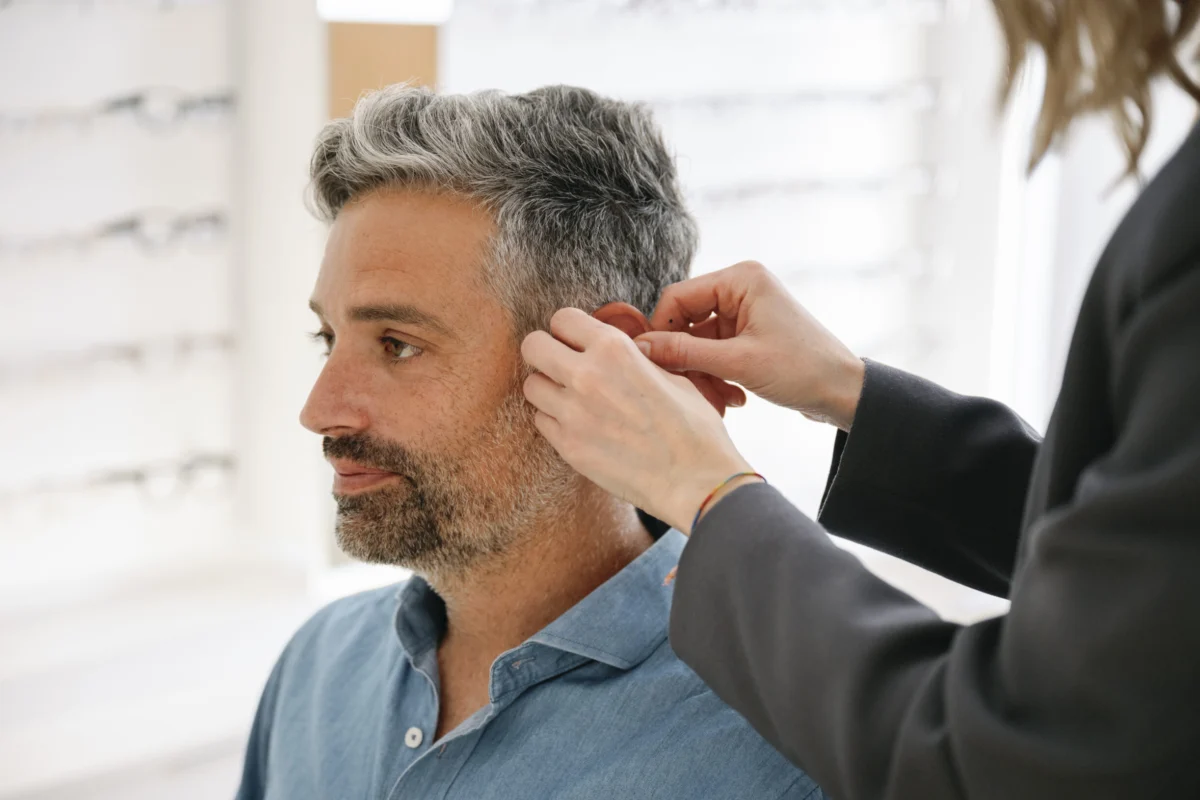
Determining the most appropriate hearing loss treatment is a nuanced process, heavily influenced by several critical factors: the specific type of hearing loss, its underlying cause, and its severity. While some forms of hearing impairment are temporary and amenable to medical intervention, others necessitate long-term solutions, such as sophisticated hearing aids. For individuals whose hearing loss is profound and no longer adequately addressed by conventional hearing aids, implantable hearing solutions present a transformative alternative. Regardless of the specific intervention, the indispensable first step in any successful treatment journey is a professional and accurate diagnosis. This foundational evaluation by a qualified audiologist or ENT specialist is paramount in identifying the nature and extent of the hearing impairment, thereby guiding the selection of the most effective therapeutic strategy.
A Snapshot of Contemporary Hearing Loss Treatments

The current medical and technological landscape offers a robust array of strategies to combat hearing loss. These interventions generally fall into several key categories, each addressing different aspects of auditory function and impairment. The overarching goals of these treatments are twofold: to restore or improve the ability to hear sounds and speech, and to enhance communication and overall quality of life. Modern treatment paradigms are highly individualized, often combining elements of medical care, cutting-edge hearing technology, tailored therapy, and practical daily support tools. This personalized approach ensures that interventions are precisely aligned with each patient’s unique hearing profile, lifestyle, and specific needs.
Understanding Treatment Based on the Type of Hearing Loss
The classification of hearing loss is fundamental to tailoring effective treatment. Hearing impairments are broadly categorized as conductive, sensorineural, or mixed.
-
Conductive Hearing Loss: This type of hearing loss occurs when sound transmission is impeded in the outer or middle ear. It is often characterized by a blockage or issue affecting the physical conduction of sound waves. Fortunately, conductive hearing loss is frequently temporary and highly treatable.
- Medical and Surgical Interventions: Treatments for conductive hearing loss commonly focus on addressing the underlying cause. This may involve medical interventions such as earwax removal, treatment of ear infections (otitis media), or management of fluid in the middle ear. Surgical procedures might be necessary to correct structural abnormalities in the eardrum or middle ear bones (ossicles), such as tympanoplasty or stapedectomy. In cases where the blockage is significant or the underlying issue cannot be fully resolved, bone conduction hearing aids or bone conduction implants can be utilized. These devices bypass the problematic outer and middle ear structures, transmitting sound vibrations directly to the inner ear.
-
Sensorineural Hearing Loss (SNHL): This is the most prevalent form of hearing loss and arises from damage to the inner ear’s hair cells (within the cochlea) or the auditory nerve. SNHL is often permanent, as the damaged hair cells and nerve fibers have limited capacity for regeneration.

- Management and Amplification: Treatment for SNHL primarily focuses on managing the condition and improving access to sound rather than a direct cure. The cornerstone of SNHL management is advanced hearing technology. Hearing aids play a pivotal role by amplifying and processing sound signals, making speech more intelligible and reducing the impact of background noise. For individuals with severe to profound SNHL, when hearing aids provide insufficient benefit, implantable hearing solutions such as cochlear implants or auditory brainstem implants may be considered.
-
Mixed Hearing Loss: This category encompasses a combination of both conductive and sensorineural hearing loss. Treatment strategies for mixed hearing loss are often multifaceted, integrating medical care for the conductive component and hearing technology for the sensorineural component.
- Integrated Treatment Plans: Management of mixed hearing loss typically involves a coordinated approach. Medical or surgical interventions may be employed to address the conductive elements, while hearing aids or implantable devices are used to compensate for the sensorineural deficit. Treatment plans are dynamic and may evolve over time as medical conditions are resolved and hearing needs change, underscoring the importance of ongoing specialist care.
Medical and Surgical Treatments: Addressing the Root Cause
When hearing loss stems from specific medical conditions, direct medical or surgical interventions become primary treatment pathways. These approaches are particularly relevant for hearing impairments caused by infections, inflammation, or structural anomalies.
-
Medication and Non-Invasive Treatments: For certain types of hearing loss, medications such as antibiotics can resolve infections that lead to temporary hearing impairment. Steroid treatments may be employed to reduce inflammation within the inner ear. Lifestyle adjustments and therapies aimed at managing tinnitus (ringing in the ears), which often accompanies SNHL, can also significantly improve a person’s quality of life.
-
Surgical Treatment Options: Surgical interventions are reserved for specific anatomical or pathological causes of hearing loss. Procedures like tympanostomy tube insertion can alleviate middle ear effusion. More complex surgeries may involve repairing a perforated eardrum (myringoplasty) or reconstructing the ossicular chain to improve sound conduction. In select cases of profound SNHL, surgical implantation of devices like cochlear implants or bone conduction systems is performed. It is crucial to note that these medical and surgical treatments require careful evaluation and management by an Ear, Nose, and Throat (ENT) specialist.
Hearing Aids: A Cornerstone of Hearing Loss Management
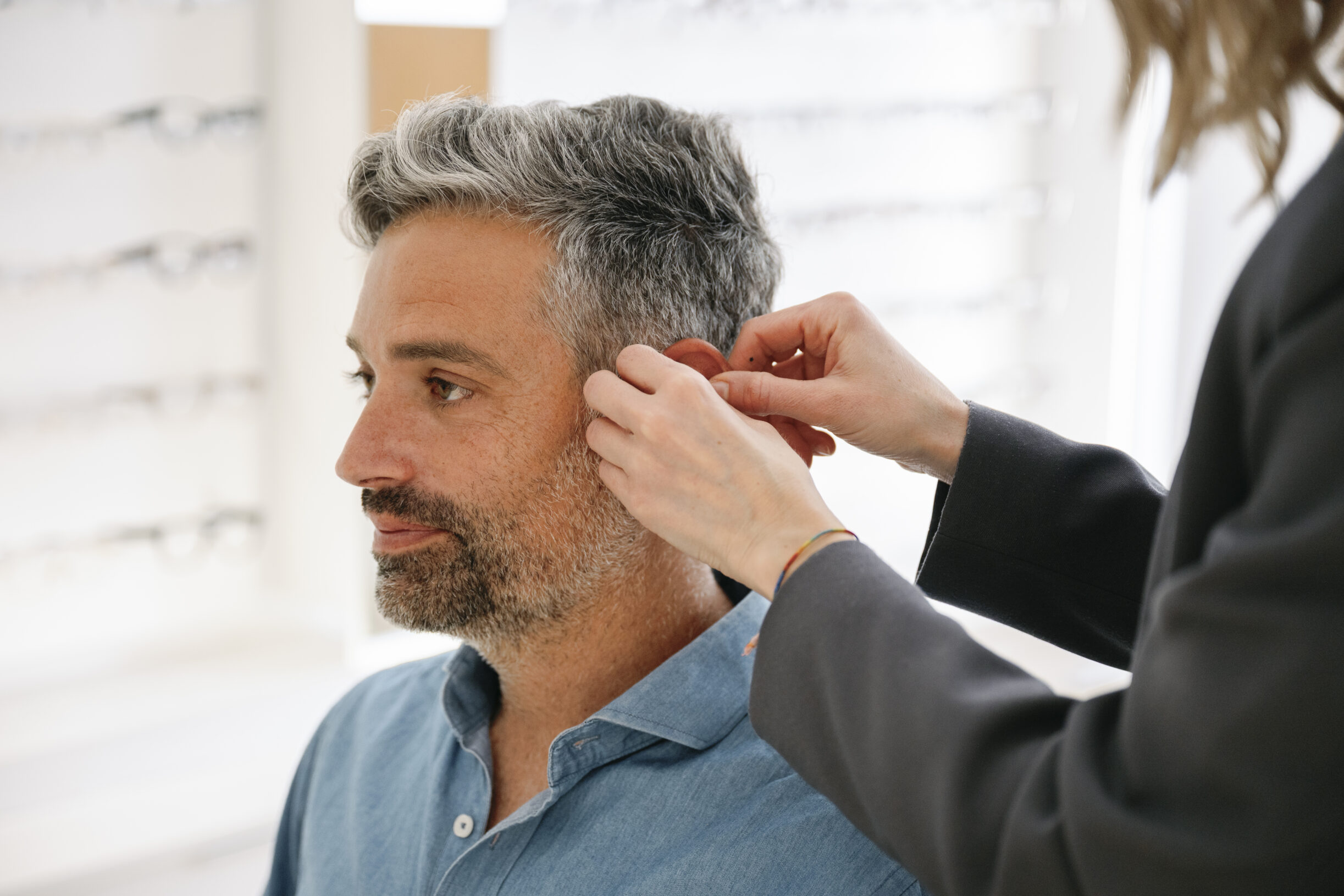
Hearing aids remain one of the most widely used and effective treatments for mild to severe hearing loss. These sophisticated electronic devices are designed to amplify and process sound, thereby enhancing speech clarity and making auditory comprehension easier.
-
Benefits of Hearing Aids: By amplifying specific sound frequencies and reducing background noise, hearing aids can significantly improve a person’s ability to engage in conversations, enjoy music, and perceive environmental sounds. This leads to increased social participation, reduced listening fatigue, and a greater sense of independence.
-
The Importance of Professional Fitting: The efficacy of hearing aids is highly dependent on a precise and personalized fitting. Audiologists conduct thorough hearing tests and take into account individual listening preferences and lifestyle factors to program the hearing aids optimally. Regular follow-up appointments ensure that the devices continue to meet the user’s evolving hearing needs.
Implantable Hearing Solutions: Restoring Hearing in Severe Cases

For individuals with severe to profound hearing loss, for whom traditional hearing aids are insufficient or medically contraindicated, implantable hearing solutions offer a life-changing pathway to regaining hearing. These advanced technologies bypass damaged or non-functional parts of the auditory system and directly stimulate the auditory nerve or cochlea.
-
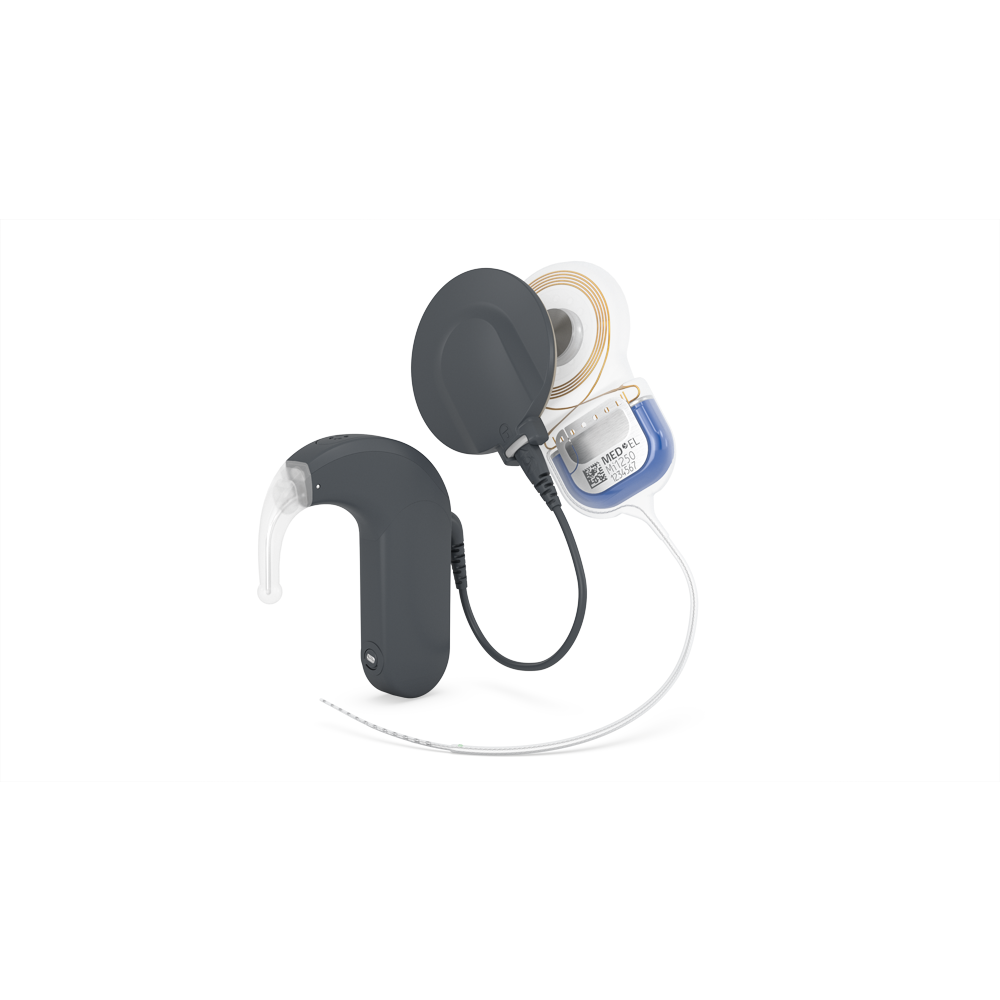
Cochlear Implants: Cochlear implants are sophisticated devices that are surgically implanted. They consist of an external speech processor and a transmitter that attaches to an internal implanted receiver and electrode array. The speech processor captures sound, converts it into digital signals, and transmits them to the internal receiver. The electrode array then directly stimulates the auditory nerve fibers within the cochlea, bypassing damaged hair cells. Cochlear implants have demonstrated remarkable success in restoring a sense of sound and enabling many recipients to understand speech, communicate more effectively, and reintegrate into social and professional life. Studies have consistently shown significant improvements in speech perception and quality of life among cochlear implant users.
-
Bone Conduction Systems: Bone conduction systems, including bone conduction implants and bone conduction hearing aids, offer an alternative for individuals with conductive or mixed hearing loss where the outer or middle ear is compromised. These systems convert sound into vibrations that are transmitted through the skull bone directly to the cochlea. This bypasses the problematic outer and middle ear structures, allowing sound to reach the inner ear effectively. They are particularly beneficial for individuals with chronic ear infections, atresia (absence of the ear canal), or other conditions that prevent the use of conventional air-conduction hearing aids.
Assistive Listening Devices and Everyday Hearing Support
Beyond primary hearing devices, a range of assistive listening devices (ALDs) and communication support tools play a vital role in enhancing daily communication and independence for individuals with hearing loss.
-
Enhancing Auditory Experiences: ALDs can amplify sound from various sources, such as televisions, telephones, and public address systems, delivering it directly to the user’s hearing aids or as a separate listening device. Devices like MED-EL’s AudioLink XT exemplify how modern technology can facilitate seamless connectivity, allowing users to stream audio from smartphones, televisions, and other devices directly to their hearing systems. Other ALDs include personal amplifiers, captioned telephones, and visual alert systems.
-
Empowering Communication: These devices are particularly invaluable in challenging listening environments, such as noisy restaurants, classrooms, or large auditoriums, where background noise can significantly impede speech understanding. By providing a clearer and more direct auditory signal, ALDs empower individuals to participate more fully in social activities and maintain their independence.
Therapy and Communication-Based Treatments: Complementary Approaches
While hearing technology addresses the physical aspects of hearing, comprehensive hearing loss management also encompasses therapies that strengthen communication skills and cognitive abilities.
-
Skill Development: Therapies such as auditory training, speech-language pathology, and aural rehabilitation are crucial components of a holistic treatment plan. Auditory training helps individuals learn to better interpret and utilize the sounds they can hear, while speech therapy focuses on improving articulation and language skills. Aural rehabilitation programs often integrate these elements, equipping individuals with strategies to manage their hearing loss effectively in everyday situations.

-
Long-Term Success: These therapeutic approaches complement hearing technology by helping individuals maximize their use of residual hearing and develop effective communication strategies. They are instrumental in fostering long-term success with hearing devices and improving overall communication competence, regardless of the specific technology used.
Age-Specific Considerations in Hearing Loss Treatment
The approach to hearing loss treatment often adapts to the age and developmental stage of the individual.
-
Children: For children, early identification and intervention are paramount to ensure optimal language and cognitive development. Newborn hearing screenings are standard in many countries, allowing for prompt diagnosis and the implementation of appropriate interventions, which may include hearing aids, cochlear implants, and specialized early intervention programs. The goal is to provide children with the best possible auditory access to support their learning and social integration.
-
Adults and Older Adults: In adults and older adults, treatment goals may focus on maintaining independence, enhancing social engagement, and improving overall quality of life. While hearing aids and implantable solutions are common, the emphasis is also placed on managing associated conditions like tinnitus and ensuring that treatment plans align with individual lifestyle and communication needs. The increasing prevalence of hearing loss with age underscores the importance of regular hearing checks throughout adulthood.

Diagnosis: The Indispensable First Step
The critical importance of a professional diagnosis cannot be overstated. A thorough evaluation by a qualified audiologist or ENT specialist is the essential prerequisite for any effective hearing loss treatment.
-
Diagnostic Procedures: This process typically involves otoscopic examinations to assess the outer and middle ear, followed by a comprehensive battery of hearing tests. These tests, such as audiometry and tympanometry, precisely determine the type, degree, and configuration of hearing loss.
-
Ensuring Effective Solutions: Self-diagnosis or reliance on anecdotal evidence can lead to ineffective or even detrimental treatment choices. Accurate diagnostic testing ensures that the most appropriate and effective hearing loss solution is identified, tailored to the individual’s specific auditory profile and needs, thereby maximizing the potential for successful outcomes.
Conclusion: Hope and Help for Every Stage of Hearing Loss

The landscape of hearing loss treatment has evolved dramatically, offering a diverse array of solutions that can significantly improve communication and quality of life. While there is no single, universal treatment for all forms of hearing loss, effective help is available at every stage. From essential medical care and widely adopted hearing aids to advanced implantable solutions and supportive therapies, modern interventions provide tangible, life-changing benefits. The journey to better hearing begins with a professional diagnosis, paving the way for a personalized treatment plan that can unlock improved communication and a more fulfilling daily life. Taking that crucial first step toward understanding your hearing health can open the door to a world of effective treatment and enhanced well-being.