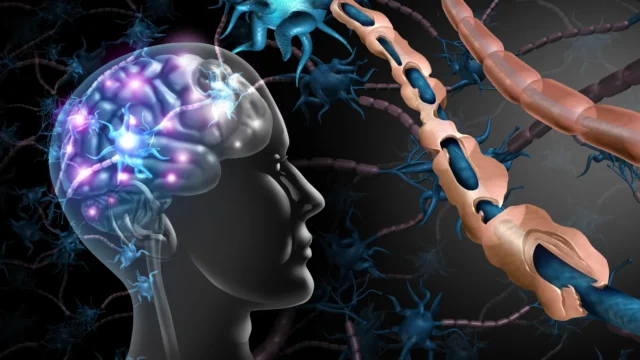

The findings, recently published in the journal Aging and Disease, provide a stark warning regarding the long-term neurological consequences of the global obesity epidemic. While the link between metabolic disorders and cognitive impairment in the elderly has been well-documented, this study is among the first to demonstrate that these pathological markers are measurable in individuals in their 20s and 30s. The presence of these biomarkers suggests that the brain begins to undergo stress and structural vulnerability long before the onset of clinical symptoms such as memory loss or behavioral changes.
Identifying the Biomarkers of Early Brain Stress
The research team focused on several key biological markers to assess the health of both the body and the brain. The most prominent among these was neurofilament light chain (NfL). Under normal circumstances, NfL is contained within the axons of neurons. However, when these neurons are damaged or die, NfL leaks into the cerebrospinal fluid and eventually the bloodstream. Consequently, blood levels of NfL have become a gold-standard biomarker for neurodegeneration, frequently used to track the progression of Alzheimer’s, multiple sclerosis, and amyotrophic lateral sclerosis (ALS).
In the ASU study, young adults with obesity showed significantly higher levels of circulating NfL compared to their healthy-weight peers. This discovery is particularly concerning because the participants were at an age where the brain is typically at its peak functional capacity. The elevation of NfL suggests that the metabolic strain associated with obesity—characterized by insulin resistance and chronic inflammation—is already exerting a "silent" toll on the integrity of the central nervous system.
Beyond NfL, the researchers measured several indicators of systemic health, including inflammatory cytokines and liver enzymes. The results revealed a consistent pattern: obesity was tied to a pro-inflammatory environment and signs of liver strain, specifically elevated levels of enzymes that indicate the early stages of non-alcoholic fatty liver disease (NAFLD). This systemic stress appears to create a feedback loop that ultimately compromises the blood-brain barrier and sensitizes neurons to injury.
The Role of Choline in Metabolic and Neurological Protection
A central pillar of the study was the investigation of choline, an essential nutrient that the human body requires for various critical functions. Choline is a precursor to acetylcholine, a neurotransmitter indispensable for memory, mood, and muscle control. It is also a fundamental component of cell membranes and plays a vital role in transporting fats out of the liver.
The study found that young adults with obesity had markedly lower blood levels of choline. This deficiency was directly correlated with higher levels of NfL and increased markers of inflammation. According to Ramon Velazquez, the study’s lead author and a researcher at the ASU-Banner Neurodegenerative Disease Research Center, choline acts as a critical buffer against metabolic and brain dysfunction.
"This research adds to the growing evidence that choline is a valuable marker of metabolic and brain dysfunction," Velazquez stated. "Our findings reinforce the importance of sufficient daily intake, as it is essential for human health." He further noted that recent contemporary reports have linked low choline levels to increased anxiety and memory impairment, suggesting that the nutrient’s impact on the brain is multifaceted and immediate.
Despite its importance, data from national nutrition surveys indicates that a vast majority of the American population—nearly 90%—fails to meet the recommended daily intake of choline. The Adequate Intake (AI) levels set by the National Academy of Medicine are 550 mg per day for men and 425 mg per day for women. For young adults, who often rely on processed foods that are nutrient-poor, the gap between actual intake and biological requirement is particularly wide.
Comparative Analysis: Bridging the Gap Between Youth and Aging
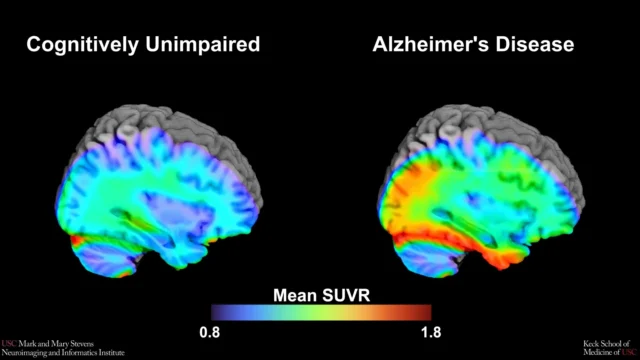
To contextualize the findings, the ASU-Banner team compared the biomarker profiles of the young participants with data from older adults diagnosed with Mild Cognitive Impairment (MCI) and Alzheimer’s disease. The comparison revealed a striking similarity: the pairing of low choline and high NfL seen in the obese young adults mirrored the patterns observed in elderly patients suffering from neurodegeneration.
This "biological mirroring" suggests that obesity may effectively "age" the brain prematurely. The metabolic environment of a 25-year-old with obesity and low choline intake may resemble the inflammatory environment of a 70-year-old in the early stages of Alzheimer’s. This discovery shifts the scientific understanding of Alzheimer’s from a disease of old age to a lifelong process influenced by early-life metabolic health.
The study design involved 30 participants in their 20s and 30s, split evenly between an obese group (defined by Body Mass Index) and a healthy-weight control group. By utilizing fasting blood samples and sophisticated proteomic analysis, the researchers were able to eliminate the noise of daily fluctuations and capture a steady-state view of the participants’ metabolic health.
Gender Disparities and Cognitive Risk
One of the more nuanced findings of the study was the disparity between male and female participants. The researchers observed that women in the study tended to have lower choline levels than their male counterparts. This is a significant observation given that women are disproportionately affected by Alzheimer’s disease, accounting for nearly two-thirds of all cases in the United States.
While estrogen provides some natural protection for brain health and even aids the body in producing small amounts of choline internally, this may not be sufficient to offset the impact of poor diet and obesity. The researchers suggest that the lower choline levels in women may contribute to their higher lifetime risk of cognitive decline, highlighting a need for gender-specific nutritional interventions.
The GLP-1 Era: New Considerations for Weight-Loss Treatments
The study’s publication comes at a time when the use of GLP-1 receptor agonists, such as semaglutide and tirzepatide, has surged for the treatment of obesity. While these medications are highly effective at reducing weight and improving cardiovascular markers, they function primarily by suppressing appetite and slowing gastric emptying.
The ASU researchers noted that the resulting reduction in food intake could inadvertently lead to deficiencies in essential micronutrients, including choline. If a patient is eating significantly less, the nutrient density of their diet becomes paramount. The authors suggest that future clinical trials should investigate whether supplementing weight-loss therapies with choline could maximize the neuroprotective benefits of weight loss while preventing potential nutrient-related neurological strain.
Wendy Winslow, the study’s first co-author, emphasized the practical applications of these findings. "Most people don’t realize they aren’t getting enough choline," Winslow said. "Adding choline-rich foods to your routine can help reduce inflammation and support both your body and brain as you age." Common dietary sources of choline include eggs, beef liver, chicken breast, cod, and cruciferous vegetables like broccoli and Brussels sprouts.
Chronology of Research and Future Implications
The ASU-Banner study builds upon a foundation of previous research, including significant rodent studies. Earlier experiments led by the same team demonstrated that when mice were deprived of choline, they developed symptoms of metabolic syndrome, including obesity and liver damage, which subsequently accelerated the buildup of amyloid-beta plaques—the hallmark of Alzheimer’s disease.
The transition from animal models to human subjects marks a critical step in validating the "choline-brain" hypothesis. The timeline of this research suggests a shift in the field of neurology toward preventative "metabolic psychiatry" and "metabolic neurology," where the focus is on maintaining the body’s internal chemistry to protect the brain.
The implications for public health are extensive. If NfL and choline levels can serve as early warning signs, healthcare providers may eventually use routine blood tests to identify young individuals at high risk for future cognitive decline. This would allow for lifestyle interventions—such as dietary adjustments and exercise regimens—long before any irreversible damage occurs to the brain’s architecture.
Analysis: A Paradigm Shift in Alzheimer’s Prevention
The findings from Arizona State University suggest that the medical community must reconsider the timeline of neurodegenerative disease. For decades, Alzheimer’s was viewed as an inevitable consequence of aging or a roll of the genetic dice. However, this study reinforces the "lifestyle-driven" model of the disease.
The correlation between liver strain (indicated by enzymes), systemic inflammation (indicated by cytokines), and brain injury (indicated by NfL) points to the brain being an integrated part of the body’s metabolic system rather than an isolated organ. When the liver is stressed by obesity and the body lacks the raw materials (choline) to repair cell membranes and manage fat, the brain appears to be one of the first systems to suffer.
"Our results suggest that, in young adults, good metabolic health and adequate choline contribute to neuronal health, laying the groundwork for healthy aging," says Jessica Judd, a co-author of the study. This conclusion suggests that the most effective way to combat the rising tide of Alzheimer’s disease may not be a late-stage pharmaceutical "silver bullet," but rather a lifelong commitment to metabolic stability and nutritional adequacy starting in early adulthood.
As the ASU-Banner Neurodegenerative Disease Research Center continues its work, future studies are expected to track these participants over longer periods to see if choline supplementation can actively lower NfL levels in humans, as it did in animal models. For now, the message to the public and the medical community is clear: the health of the brain in old age is inextricably linked to the health of the body in youth. High rates of obesity and widespread nutrient deficiencies are not merely metabolic concerns; they are the potential seeds of a future cognitive health crisis.