
The Nuances of Muffled Hearing
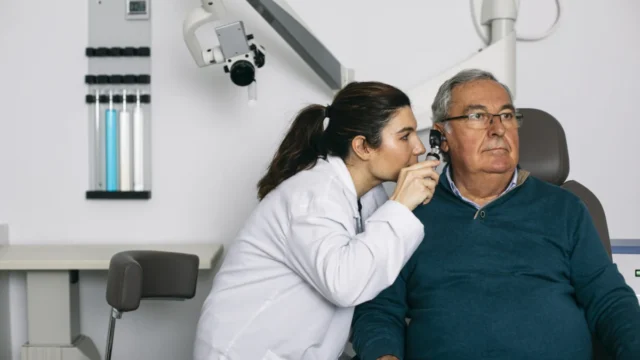
Muffled hearing, medically termed conductive or sensorineural hearing loss, signifies a reduction in the clarity or volume of sounds. This can manifest as a pervasive dullness in auditory perception. The sensation of pressure or fullness in the ear often accompanies this auditory change. The underlying mechanisms can broadly be categorized into two types: conductive hearing loss, where sound transmission to the inner ear is impaired due to issues in the outer or middle ear, and sensorineural hearing loss, which involves damage to the inner ear or the auditory nerve. Most common temporary causes, such as earwax or fluid, fall under conductive hearing loss. However, sudden onset of muffled hearing, especially when accompanied by other symptoms, necessitates a closer look at potential sensorineural issues.
When Muffled Hearing Demands Urgent Attention
The sudden onset of muffled hearing in one ear, particularly if it occurs rapidly or overnight, warrants immediate medical evaluation. This is especially true if the muffled hearing is accompanied by any of the following critical symptoms:

- Sudden hearing loss: A noticeable and rapid decline in auditory perception in one ear.
- Tinnitus: The perception of ringing, buzzing, or other sounds in the affected ear, especially if it’s a new symptom.
- Dizziness or Vertigo: A sensation of spinning or imbalance.
- Ear pain: Significant discomfort or aching in the ear.
- Drainage from the ear: Any discharge, particularly if it is bloody or purulent.
- Neurological symptoms: Weakness, numbness, facial paralysis, or difficulty speaking.
These accompanying symptoms can indicate more serious underlying conditions, such as sudden sensorineural hearing loss (SSNHL), which is considered a medical emergency. Prompt intervention is key to potentially preserving hearing function.
Other symptoms that, while not always indicative of a life-threatening emergency, still require urgent same-day evaluation include:
- Persistent ear fullness or pressure: If the sensation does not resolve within a few days.
- Visible abnormalities in the ear canal: Such as redness, swelling, or foreign objects.
- Recent head trauma: Any injury to the head that precedes the hearing change.
Sudden Sensorineural Hearing Loss: A Critical Window
Sudden sensorineural hearing loss (SSNHL) is defined as a rapid drop in hearing, typically occurring over a period of minutes to 72 hours. It is characterized by a noticeable muffling or complete loss of hearing in one ear, often accompanied by tinnitus or dizziness. SSNHL is a significant medical event, and early diagnosis and treatment, usually involving corticosteroids, can dramatically improve the chances of hearing recovery. The exact cause of SSNHL is often unknown, but it is believed to be related to viral infections, vascular issues, or autoimmune disorders affecting the inner ear. The urgency of seeking care for SSNHL cannot be overstated; the sooner treatment begins, the better the prognosis. Medical professionals will typically perform a thorough ear examination and audiological testing to assess the extent of the hearing loss and determine the appropriate course of action.
Common Culprits Behind Muffled Hearing
Numerous factors can contribute to muffled hearing in one ear. Understanding these common causes can help individuals assess their situation and decide on the appropriate next steps:

| Cause | Typical Clues | What You Can Do Safely | When to Seek Care |
|---|---|---|---|
| Earwax Buildup (Cerumen Impaction) | Gradual muffled or blocked feeling, ear fullness, reduced clarity, no pain. | Avoid cotton swabs; consider professional ear cleaning if symptoms persist. | If hearing doesn’t improve, pain develops, or you’ve had ear surgery. |
| Congestion/Fluid (Cold/Allergies) | Muffled hearing with pressure, popping, recent cold or allergies. | Swallow or yawn to gently equalize pressure; manage congestion with standard cold/allergy care. | If symptoms last more than a few days or worsen. |
| Eustachian Tube Dysfunction | Ear pressure or popping, worse with altitude changes. | Swallow, chew gum, avoid forceful ear "popping." | If pressure or muffled hearing persists. |
| Pressure Changes (Flying/Diving) | Sudden clogged feeling after flying or diving. | Swallow or yawn to gently equalize pressure. | If pain is severe, bleeding occurs, or hearing doesn’t return to normal. |
| Ear Infection (Otitis Media) | Pain, fever, drainage, increasing pressure. | Keep ear dry; avoid inserting objects such as cotton swabs. | If pain, fever, or drainage is present. |
| Sudden Sensorineural Hearing Loss | Sudden or overnight hearing loss, often with tinnitus or dizziness. | Seek urgent medical evaluation—do not wait. | Emergency or same-day medical care is recommended. |
| Meniere’s Disease | Episodic vertigo, fluctuating hearing loss, tinnitus, ear fullness. | Management of symptoms with medication and lifestyle changes, under medical supervision. | Diagnosis and management by an ENT specialist are crucial. |
| Eardrum Perforation | Sudden pain, hearing loss, possible discharge after trauma or infection. | Keep ear dry; avoid inserting objects. | Requires medical evaluation and treatment to promote healing and prevent infection. |
| Benign Nerve Tumors (e.g., Acoustic Neuroma) | Gradual, progressive hearing loss in one ear, tinnitus, balance issues. | Requires imaging and specialist evaluation. | Early detection is key for effective management and preventing complications. |
| Head Trauma | Hearing changes following a blow to the head. | Seek immediate medical attention for any head injury. | Evaluate for concussion, skull fractures, and associated ear damage. |
Earwax Buildup: A Common, Treatable Cause
Earwax, or cerumen, is a natural protective substance in the ear canal. However, excessive buildup can obstruct the ear canal, leading to muffled hearing, a sensation of fullness, and reduced sound clarity. Unlike more serious conditions, earwax impaction typically does not cause pain. It’s important to note that using cotton swabs to clean the ear canal can often push the wax deeper, exacerbating the problem. For persistent or significant earwax buildup, professional removal by a healthcare provider is the safest and most effective solution.
Congestion, Allergies, and Fluid Accumulation
Post-cold or allergy symptoms can lead to fluid accumulation in the middle ear. This fluid buildup behind the eardrum can impede sound transmission, resulting in muffled hearing and a feeling of pressure that may fluctuate throughout the day. Simple maneuvers like swallowing or yawning can sometimes help equalize pressure and alleviate symptoms. However, if the muffled hearing persists for more than a few days or worsens, medical consultation is advisable to rule out infection or other complications.
Pressure Fluctuations: An Environmental Factor
Rapid changes in atmospheric pressure, commonly experienced during air travel or scuba diving, can affect the middle ear’s pressure balance. This can cause a temporary clogged sensation and muffled hearing. While usually transient, severe pain, bleeding from the ear, or persistent hearing loss following such events necessitates prompt medical attention to ensure no structural damage has occurred.
Other Important Considerations
Beyond the more common causes, several less frequent but significant conditions can manifest as muffled hearing in one ear. These include Meniere’s disease, characterized by episodic vertigo, fluctuating hearing loss, tinnitus, and aural fullness; eardrum perforations, which can result from trauma or infection; and benign nerve tumors, such as acoustic neuromas, which typically cause gradual, progressive unilateral hearing loss and tinnitus. Head trauma can also lead to auditory disturbances. Any sudden or persistent unilateral hearing changes warrant thorough investigation by a medical professional.

What to Do Immediately When Experiencing Muffled Hearing
When muffled hearing in one ear arises, a systematic approach to assessing the situation can guide your actions:
- Evaluate Recent Triggers: Consider if there have been any recent events that could be related, such as a cold, allergies, exposure to loud noise, head injury, or a change in altitude.
- Screen for Warning Signs: Prioritize seeking urgent medical care if the muffled hearing is accompanied by sudden hearing loss, severe dizziness, ear discharge, intense pain, or any neurological symptoms.
- Avoid Risky Home Remedies: Refrain from inserting any objects, including cotton swabs, into the ear canal. Ear candling and aggressive flushing are also not recommended and can potentially cause harm.
- Attempt Gentle Pressure Relief: If pressure seems to be the cause, try swallowing, yawning, or chewing gum. Avoid forceful clearing of the ears.
- Recognize "No Pain, No Problem" is a Fallacy: While muffled hearing without pain might suggest a less serious cause like wax or congestion, sudden onset, worsening symptoms, or lack of improvement within 24-48 hours necessitates a medical check-up.
Prognosis and Treatment Pathways
In many cases, muffled hearing in one ear resolves naturally once the underlying temporary cause is addressed. Hearing typically returns to normal within hours or days when the issue is due to earwax, pressure imbalances, or mild congestion.
However, if hearing does not improve, worsens, or presents as a sudden, unilateral change, medical intervention is essential. A healthcare professional will conduct a physical examination of the ear and may perform audiological tests to pinpoint the cause. Treatment strategies are tailored to the specific diagnosis:
- Conductive Hearing Loss: This might involve professional earwax removal, medication to treat infections or reduce inflammation, or maneuvers to equalize middle ear pressure.
- Sensorineural Hearing Loss: Treatment for SSNHL typically involves corticosteroids, which may be administered orally or directly into the middle ear. For permanent hearing loss, rehabilitation options include hearing aids, bone conduction solutions, or cochlear implants in select cases, depending on the severity and type of loss.
Prevention and Self-Care for Ear Health
Proactive ear care can help minimize the risk of muffled hearing:
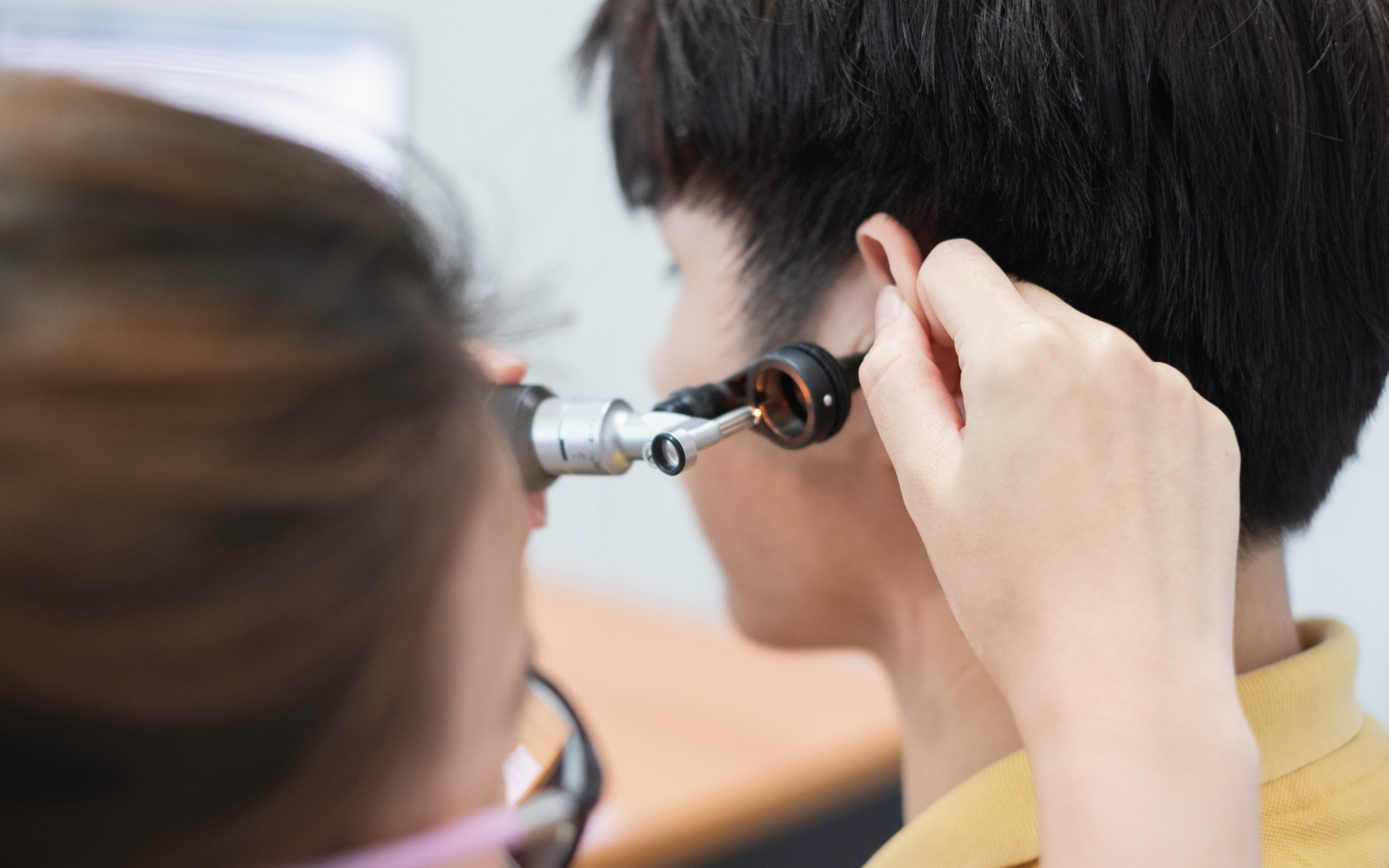
- Practice safe ear cleaning: Avoid inserting objects into the ear canal. If earwax buildup is a concern, consult a healthcare professional for safe removal methods.
- Manage allergies and colds effectively: Promptly treating nasal congestion and allergies can prevent fluid buildup in the middle ear.
- Protect hearing from loud noise: Use ear protection in noisy environments to prevent noise-induced hearing loss.
- Avoid smoking: Smoking can negatively impact circulation, potentially affecting inner ear health.
- Stay hydrated: Maintaining adequate hydration is beneficial for overall health, including the delicate structures of the ear.
Conclusion: Vigilance is Key
Muffled hearing in one ear is a common symptom with a wide range of potential causes, many of which are treatable. However, the unilateral nature of the symptom and the possibility of sudden onset mean that it should never be ignored. Prompt medical evaluation is paramount for sudden, severe, or persistent unilateral hearing changes. Early diagnosis and appropriate treatment can significantly improve outcomes, preserve hearing function, and prevent long-term complications. Consulting with a healthcare professional or an otolaryngologist (ENT specialist) is the most reliable way to determine the cause of muffled hearing and ensure the best possible management strategy.
The Role of MED-EL in Hearing Health
For individuals experiencing persistent or significant hearing loss, advanced solutions are available. MED-EL, a leading provider of implantable hearing solutions, offers a range of technologies designed to address various types of hearing loss. Their portfolio includes bone conduction solutions and cochlear implants, which can restore hearing for individuals who do not benefit from conventional hearing aids. These technologies work by bypassing damaged parts of the ear and directly stimulating the auditory nerve or cochlea, allowing individuals to perceive sound and improve their quality of life. MED-EL emphasizes a patient-centered approach, working with local teams to assess individual needs and provide comprehensive support throughout the hearing journey.
For further information or to discuss hearing loss solutions, individuals are encouraged to contact their local MED-EL representative.