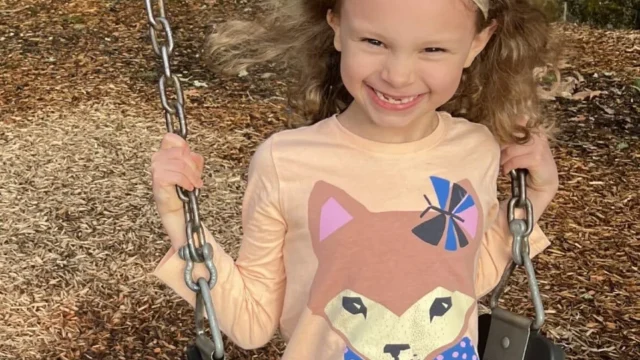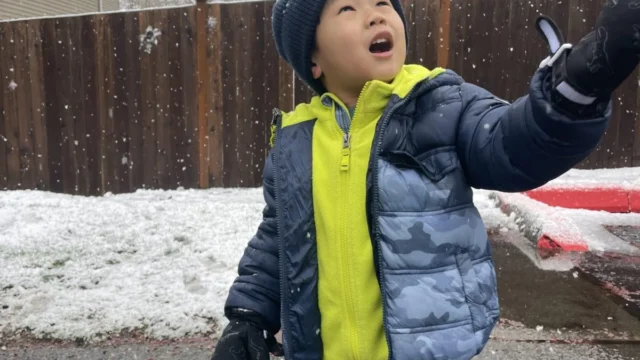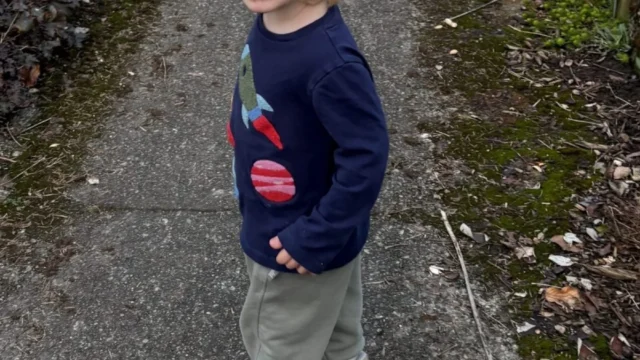
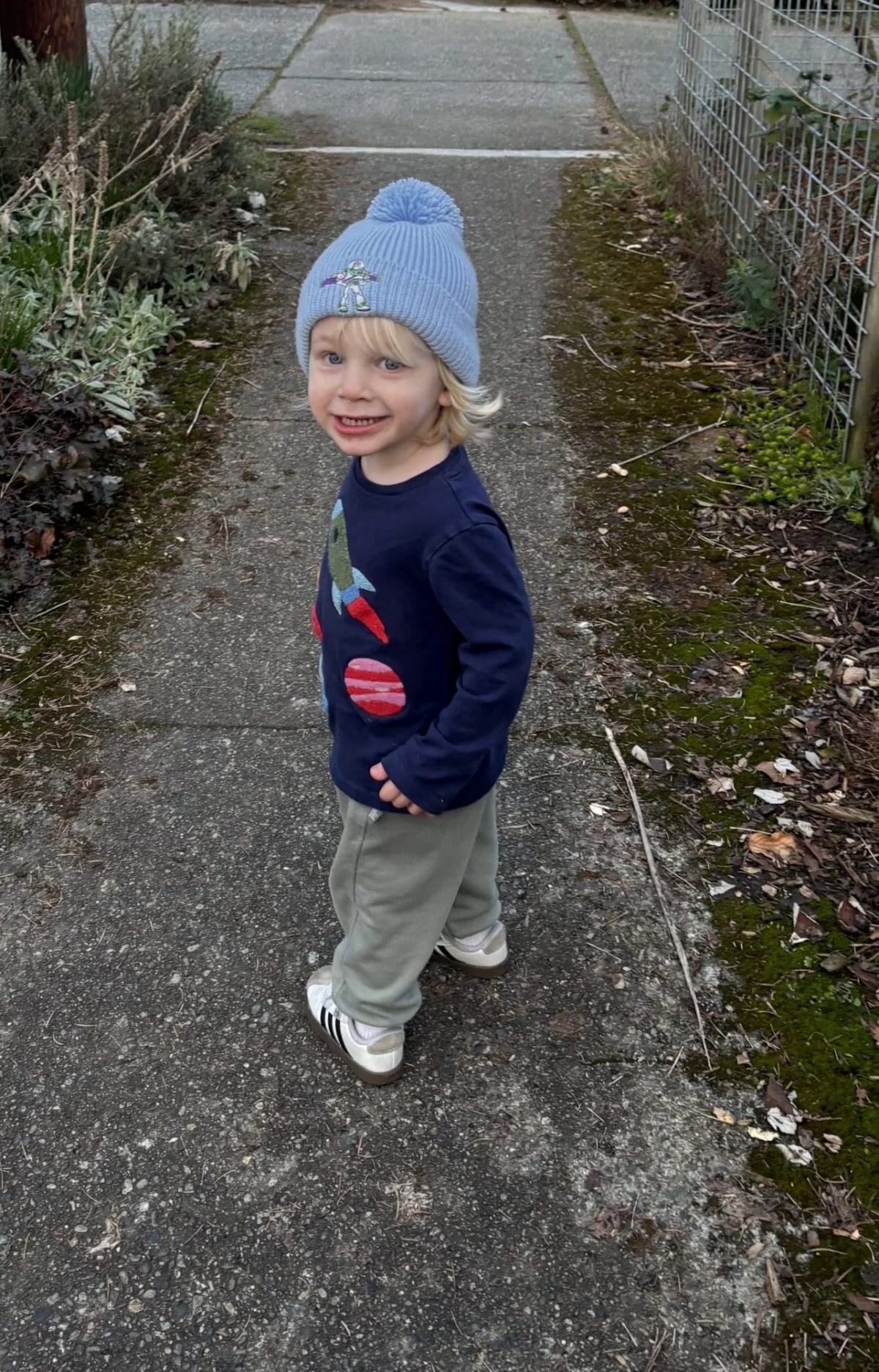
The challenges associated with sensorineural hearing loss, particularly in high-frequency ranges, can significantly impact language acquisition and social development if left unaddressed. For Landon, the condition creates specific barriers, such as the ability to perceive high-frequency sounds like running water or the distinct articulation of the letter “S.” Recognizing the critical nature of the “golden window” for neural development, his family began working with Listen and Talk when Landon was just three months old, setting a foundation that has allowed him to thrive in a mainstream preschool environment.
A Chronology of Early Intervention
The path from diagnosis to success is rarely linear, often requiring a multidisciplinary approach that blends audiology, speech-language pathology, and family-centered education. Landon’s timeline began with the standard newborn hearing screening, which acted as a vital diagnostic filter. Following the failure of that initial screen, his parents faced a rigorous period of testing and retesting at pediatric audiology clinics. This phase, often marked by high emotional stress and uncertainty for parents, is a common hurdle in the early intervention process.
By 17 months of age, Landon was fitted with hearing aids, a crucial milestone in providing the necessary auditory input to stimulate the brain’s language centers. Simultaneously, the family began receiving support from Listen and Talk’s “Birth to Three” program. The role of a program specialist in these instances extends beyond technical instruction; it encompasses emotional support and pedagogical guidance. For Landon’s family, the specialist became an integral partner, helping them navigate everything from complex hearing aid troubleshooting to specialized reading techniques designed to improve speech sound access.
The transition into preschool marked another significant phase in Landon’s development. His specialist worked closely with his teachers to create an “auditory-friendly” environment. This included practical classroom adjustments—such as seating him closer to the instructor and mitigating ambient noise—which are essential for children who experience hearing fatigue. These modifications are not merely about convenience; they are evidence-based strategies that allow children with hearing loss to maintain parity with their typically hearing peers throughout the school day.
The Science of Auditory-Rich Environments
The educational model employed by organizations like Listen and Talk centers on the “blended classroom.” This approach integrates children with hearing loss into environments alongside typically hearing peers, fostering an auditory-rich setting that promotes natural language development.
From a developmental perspective, this model serves two purposes. First, it provides the necessary linguistic input to support the development of oral language and listening skills in children with hearing impairment. Second, it facilitates the development of self-advocacy skills. By navigating a classroom where they must learn to communicate their needs to teachers and peers, children develop the confidence and the vocabulary to advocate for themselves as they transition into kindergarten and higher-level schooling.
Data consistently suggests that early intervention significantly improves long-term outcomes. According to the National Institute on Deafness and Other Communication Disorders (NIDCD), children who receive intervention services before six months of age develop language skills at a rate comparable to their hearing peers. The “Listen and Talk” model exemplifies this by ensuring that the intervention is not siloed but integrated into the child’s daily life, including home visits and classroom support.
Professional Perspectives on Hearing Loss Management
Clinical experts emphasize that the success of children like Landon is heavily dependent on the “triad of care”: the family, the educators, and the clinical specialists. When these three pillars are aligned, the child’s vocabulary and articulation outcomes often show marked improvement.
In Landon’s case, the success is measured not only by his improved vocabulary but by his emotional response to the intervention. The fact that he is “ecstatic” to participate in home visits demonstrates that the intervention process has been integrated into his life as a positive, empowering experience rather than a series of medical chores. This psychological comfort is a prerequisite for effective learning; when a child feels supported rather than managed, they are more likely to engage with their hearing aids and speech therapy exercises.
Addressing the Broader Societal Impact
The broader implications of these programs extend well beyond the individual child. As hearing loss awareness grows, the demand for specialized, social-impact enterprises that provide early intervention, audiology, and parent education increases. These organizations often function as a “guidepost” for families navigating the often-confusing medical and educational systems that surround pediatric hearing loss.

The economic and social impact of such early intervention is substantial. By providing children with the tools for effective communication, these programs significantly reduce the long-term reliance on remedial special education services. Furthermore, they empower children with conditions such as microtia atresia or genetic hearing loss to participate fully in the workforce and society as adults. The vision—that “no child is limited by hearing loss”—is a testament to the shift in modern medicine and education, moving from a focus on the “deficit” of hearing to the “capability” of the individual through technology and support.
The Role of Philanthropy in Sustaining Care
The financial sustainability of these high-quality, specialized programs relies heavily on philanthropic support. Organizations that fund speech therapy, audiology testing, and parent education classes are providing a critical safety net. For many families, these services would be inaccessible or prohibitively expensive without the subsidization provided by social impact enterprises.
Donations to these initiatives directly impact the quality of life for children with hearing impairment. By funding the equipment needed for audiological testing and the personnel required for intensive, one-on-one therapy, donors are essentially investing in the child’s future communication and independence. As the field of audiology advances, the cost of cutting-edge technology and specialized staff continues to rise, making the role of public and private donors more critical than ever.
Future Directions and Conclusion
As the landscape of pediatric audiology evolves, the focus is increasingly shifting toward personalization. Genetic testing, such as that which identified the specific gene deletions in Landon’s case, is becoming a more routine part of the diagnostic process. This allows for more targeted interventions and a better understanding of how a child’s specific type of hearing loss might progress over time.
For parents currently standing where Landon’s parents stood at his two-month diagnosis, the primary takeaway is the importance of proactive, consistent intervention. The journey is demanding, but the measurable success—seen in children who can articulate clearly, learn alongside their peers, and advocate for their own needs—is a testament to the efficacy of the current model.
Landon’s story is a clear illustration of how, with the right resources and the right support system, hearing loss can be managed effectively. By removing barriers through early intervention, the goal of creating a truly inclusive society—where a child’s potential is defined by their ambition and character rather than their hearing ability—becomes a reality. As society continues to invest in these programs, the hope is that more families will find the same guidance, support, and successful outcomes that have defined Landon’s early years.