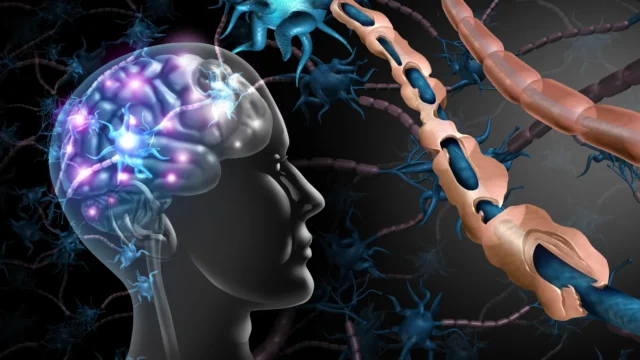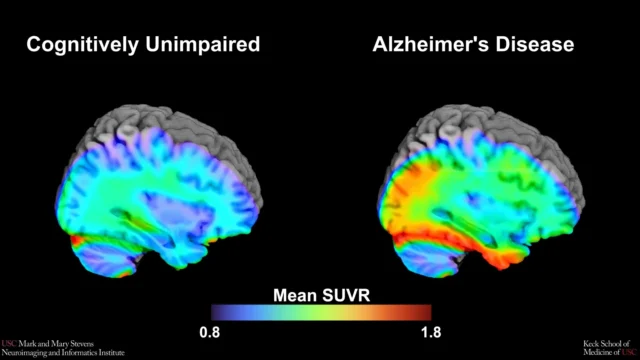

The study provides a significant breakthrough in neuroimaging, suggesting that these clogged drainage pathways serve as a biological "red flag" for Alzheimer’s disease, the most prevalent form of dementia globally. By identifying these anomalies during routine MRI scans—often conducted to investigate minor memory complaints or other neurological concerns—clinicians may soon be able to diagnose Alzheimer’s risk without the need for invasive or prohibitively expensive specialized testing.
The Biological Mechanism of Brain Waste Clearance
To understand the significance of the NTU findings, it is necessary to examine the brain’s internal plumbing. The human brain is a highly metabolic organ that produces a significant amount of metabolic waste. This waste is primarily cleared through the perivascular spaces—small, fluid-filled channels that surround the brain’s blood vessels. These channels act as a drainage system, ushering out harmful proteins such as beta-amyloid and tau.
In a healthy brain, these proteins are efficiently removed, preventing the formation of toxic plaques and tangles. However, when the drainage system becomes inefficient or blocked, the perivascular spaces dilate and enlarge. These enlarged spaces become visible on MRI scans as distinct markers of "clogged" plumbing. While EPVS have been noted in medical literature previously, their specific and early link to Alzheimer’s disease, particularly in Asian demographics, remained poorly understood until this comprehensive study.
The accumulation of beta-amyloid and tau proteins is widely recognized as a hallmark of Alzheimer’s pathology. Beta-amyloid forms plaques between neurons, disrupting cell-to-cell communication, while tau proteins form tangles inside neurons, blocking the transport of essential nutrients. The NTU study suggests that enlarged perivascular spaces are not merely a byproduct of the disease but a primary indicator of the brain’s inability to defend itself against these protein accumulations.
Addressing the Global Research Gap: The Focus on Asian Populations
One of the most significant aspects of the NTU Singapore research is its focus on Asian populations. For decades, the vast majority of Alzheimer’s clinical research has been conducted on Caucasian participants in North America and Europe. This demographic imbalance has created a "knowledge gap" in global neurology, as dementia does not manifest identically across all ethnic and genetic groups.
Associate Professor Nagaendran Kandiah, Director of the Dementia Research Centre (Singapore) at LKCMedicine and the lead investigator of the study, emphasized the necessity of region-specific data. He pointed out that the genetic landscape of Alzheimer’s varies significantly by ethnicity. For instance, the apolipoprotein E4 (APOE4) gene is a well-known risk factor for Alzheimer’s. In Caucasian populations, this gene is present in approximately 50 to 60 percent of dementia patients. However, among Singaporean patients, the prevalence of the APOE4 gene is less than 20 percent.
This discrepancy suggests that other factors—such as vascular health, lifestyle, and different genetic markers—may play a more prominent role in the development of Alzheimer’s in Asian communities. By examining nearly 1,000 Singaporeans from various ethnic backgrounds (including Chinese, Malay, and Indian), the NTU team has provided data that is directly applicable to the diverse populations of Southeast Asia and beyond.
Study Methodology and Comparative Data Analysis
The research was structured as a multi-modal analysis, combining advanced neuroimaging with blood-based biomarker testing. The cohort of approximately 1,000 participants was divided into two primary groups: those with normal cognitive function and those experiencing mild cognitive impairment (MCI). MCI is a clinical state where individuals demonstrate noticeable declines in cognitive abilities—such as memory, reasoning, and focus—but still maintain the ability to perform daily tasks. It is frequently considered a precursor to Alzheimer’s disease.
The researchers utilized high-resolution MRI scans to quantify the presence and size of perivascular spaces. Simultaneously, they analyzed seven specific biochemical markers in the participants’ blood. These markers included various forms of beta-amyloid and tau proteins, as well as markers of axonal damage and neuroinflammation.
The data revealed a striking correlation:
- EPVS and Cognitive Status: Participants diagnosed with mild cognitive impairment were significantly more likely to exhibit enlarged perivascular spaces compared to their cognitively healthy counterparts.
- Blood Marker Correlation: The presence of enlarged perivascular spaces was strongly associated with four out of the seven blood-based Alzheimer’s biomarkers. Specifically, those with clogged drainage pathways showed higher levels of amyloid plaques and tau tangles.
- EPVS vs. White Matter Damage: Traditionally, doctors have looked at white matter damage (white matter hyperintensities) on MRIs as a sign of small vessel disease and cognitive risk. While white matter damage was linked to six of the seven blood markers, the NTU team discovered that in the MCI group, the connection between Alzheimer’s-related biochemicals and EPVS was actually stronger than the connection with white matter damage.
This finding suggests that while white matter damage is a useful indicator of general brain aging and vascular issues, enlarged perivascular spaces may be a more specific and earlier signal for the onset of Alzheimer’s-specific pathology.
Perspectives from the Medical Community
The implications of the study have drawn praise and analytical commentary from various leaders in the field of geriatrics and neurology. Associate Professor Kandiah noted the clinical utility of the findings, stating that because these anomalies can be visually identified on routine MRI scans, they offer a "cost-effective" method for early detection. He noted that this could complement existing diagnostic tools, allowing for earlier intervention without the financial burden of specialized PET scans or cerebrospinal fluid draws.
Justin Ong, a fifth-year medical student at LKCMedicine and the study’s first author, highlighted the human element of the research. He noted that identifying the disease earlier grants clinicians a "critical window" to implement lifestyle changes and pharmacological treatments that may slow the progression of memory loss and thinking speed reduction.
External experts have also weighed in on the research’s significance. Dr. Rachel Cheong Chin Yee, a Senior Consultant and Deputy Head at Khoo Teck Puat Hospital’s Department of Geriatric Medicine, remarked that the study underscores the vital role of small blood vessel health in the development of neurodegenerative diseases. She noted that the ability to identify high-risk individuals before symptoms appear is a "holy grail" in dementia care.
Furthermore, Dr. Chong Yao Feng, a Consultant at the National University Hospital’s Division of Neurology, pointed out that the study challenges the traditional separation of cerebrovascular disease and Alzheimer’s. He noted that the two conditions appear to interact in a "synergistic manner," where vascular blockages accelerate neurodegeneration. Dr. Chong advised that clinicians should no longer view EPVS as incidental findings but as potential markers of underlying Alzheimer’s risk.
Clinical Implications and the Future of Alzheimer’s Care
The discovery of EPVS as an early warning sign has the potential to alter the standard of care for aging populations. Currently, many Alzheimer’s diagnoses occur when the disease has already reached a moderate stage, at which point significant and irreversible brain damage has occurred. By shifting the focus to the brain’s waste clearance efficiency, the medical community can move toward a more proactive, preventative model.
If the brain’s "drains" are identified as clogged early on, patients could be prioritized for more intensive monitoring or enrolled in clinical trials for new therapies designed to clear amyloid and tau proteins more effectively. This is particularly relevant as new classes of monoclonal antibody treatments for Alzheimer’s, which target amyloid plaques, are beginning to receive regulatory approval globally. These treatments are most effective when administered in the earliest stages of the disease.
Next Steps in Research: A Longitudinal Approach
While the current findings are robust, the NTU research team is moving into the next phase of their investigation. They plan to conduct a longitudinal study, tracking the 1,000 participants over several years. This follow-up will allow researchers to see exactly how many individuals with enlarged perivascular spaces eventually progress to a clinical diagnosis of Alzheimer’s dementia.
Confirming the predictive power of these blockages over time will be the final step in establishing EPVS as a gold-standard biomarker in clinical practice. If successful, the presence of "clogged brain drains" on an MRI could become a routine part of neurological check-ups for seniors, providing a clear and accessible pathway to maintaining cognitive health in an aging world.
The study, conducted as part of the Scholarly Project module in the Bachelor of Medicine and Bachelor of Surgery programme at LKCMedicine, demonstrates the power of integrating academic research with clinical practice. As Singapore and the rest of the world face a "silver tsunami" of aging populations, such innovations in early detection offer a beacon of hope for reducing the long-term impact of Alzheimer’s disease on families and healthcare systems.