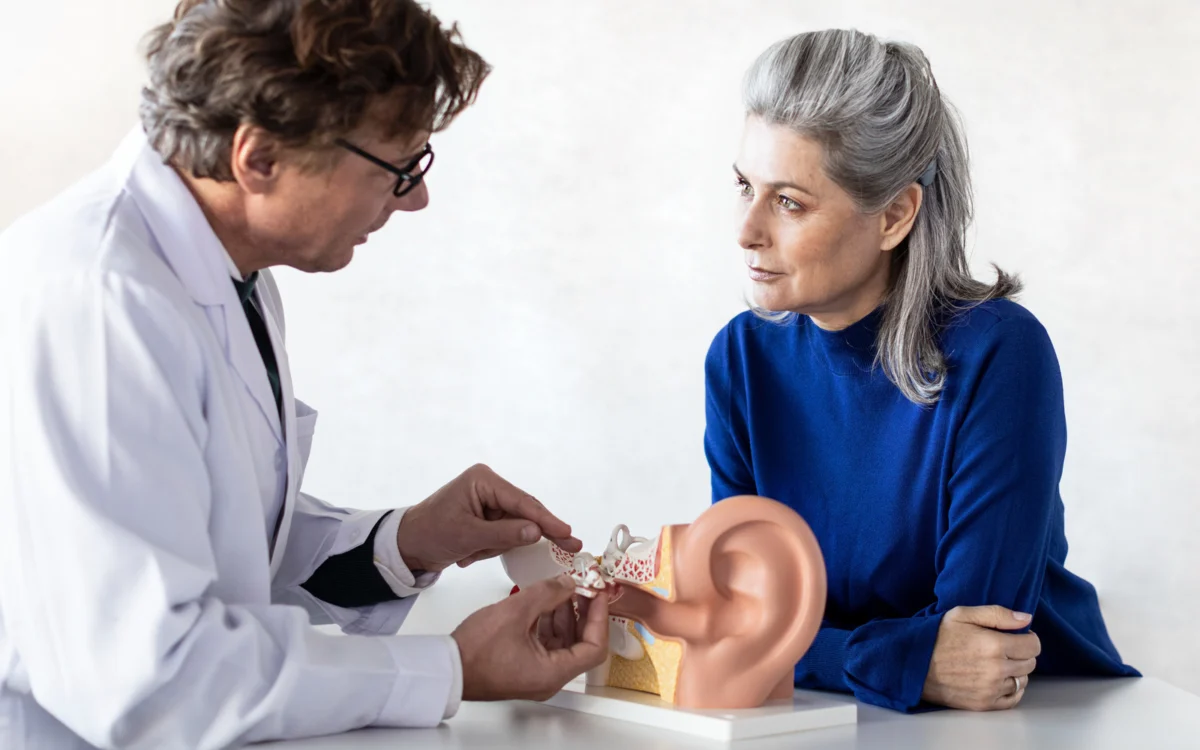
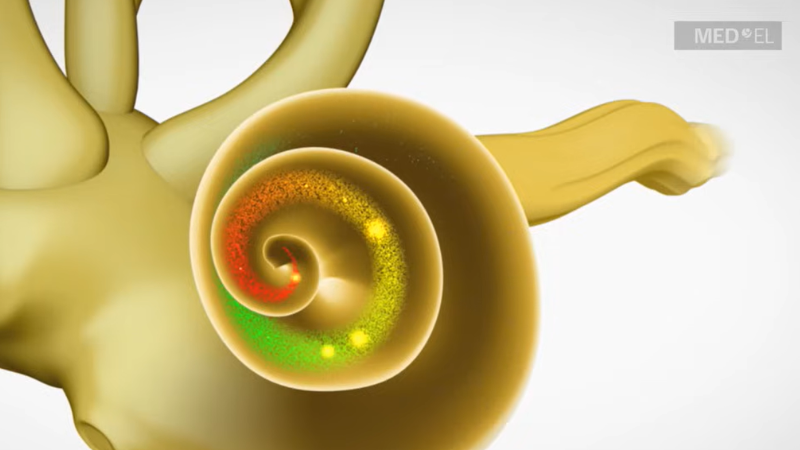
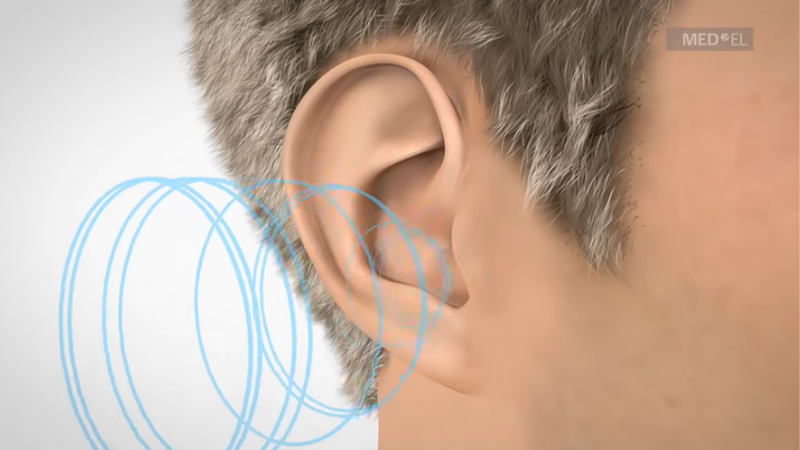
The most prevalent type of permanent hearing loss in adults, sensorineural hearing loss can also impact children and infants. The fundamental mechanism of hearing involves sound waves entering the outer ear, traversing the middle ear, and reaching the inner ear’s cochlea. Within the cochlea, thousands of microscopic hair cells are responsible for converting these sound vibrations into electrical signals. These signals are then transmitted via the auditory nerve to the brain, where they are interpreted as sound. Damage to these hair cells, which are unable to regenerate, or to the auditory nerve disrupts this vital process, leading to a diminished or distorted perception of sound. The analogy of a camera with a damaged sensor aptly describes this phenomenon: while light may enter, the resulting image is blurred or unclear.
The Spectrum of Sensorineural Hearing Loss
Sensorineural hearing loss presents in various forms, each with distinct characteristics:
- Unilateral vs. Bilateral SNHL: Unilateral SNHL affects one ear, while bilateral SNHL impacts both.
- Symmetrical vs. Asymmetrical SNHL: In symmetrical SNHL, hearing loss levels are comparable in both ears. Asymmetrical SNHL, conversely, indicates more significant hearing loss in one ear than the other.
- Congenital vs. Acquired SNHL: Congenital SNHL is present at birth, whereas acquired SNHL develops later in life due to various factors.
- Progressive vs. Sudden SNHL: Progressive SNHL deteriorates gradually over time, while sudden sensorineural hearing loss (SSNHL) is a rapid decline occurring within 72 hours. SSNHL is considered a medical emergency requiring immediate attention.
- Frequency-Specific SNHL: This can manifest as high-frequency SNHL, characterized by difficulty hearing high-pitched sounds, or low-frequency SNHL, where understanding low-pitched sounds is challenging.
Bilateral SNHL, the most common presentation, often leads to difficulties in understanding speech, particularly in noisy environments. Its causes can range from aging and prolonged exposure to loud noise to genetic predispositions and certain medical conditions. While hearing aids are a primary treatment for mild to moderate bilateral SNHL, more severe cases may warrant consideration of cochlear implants.
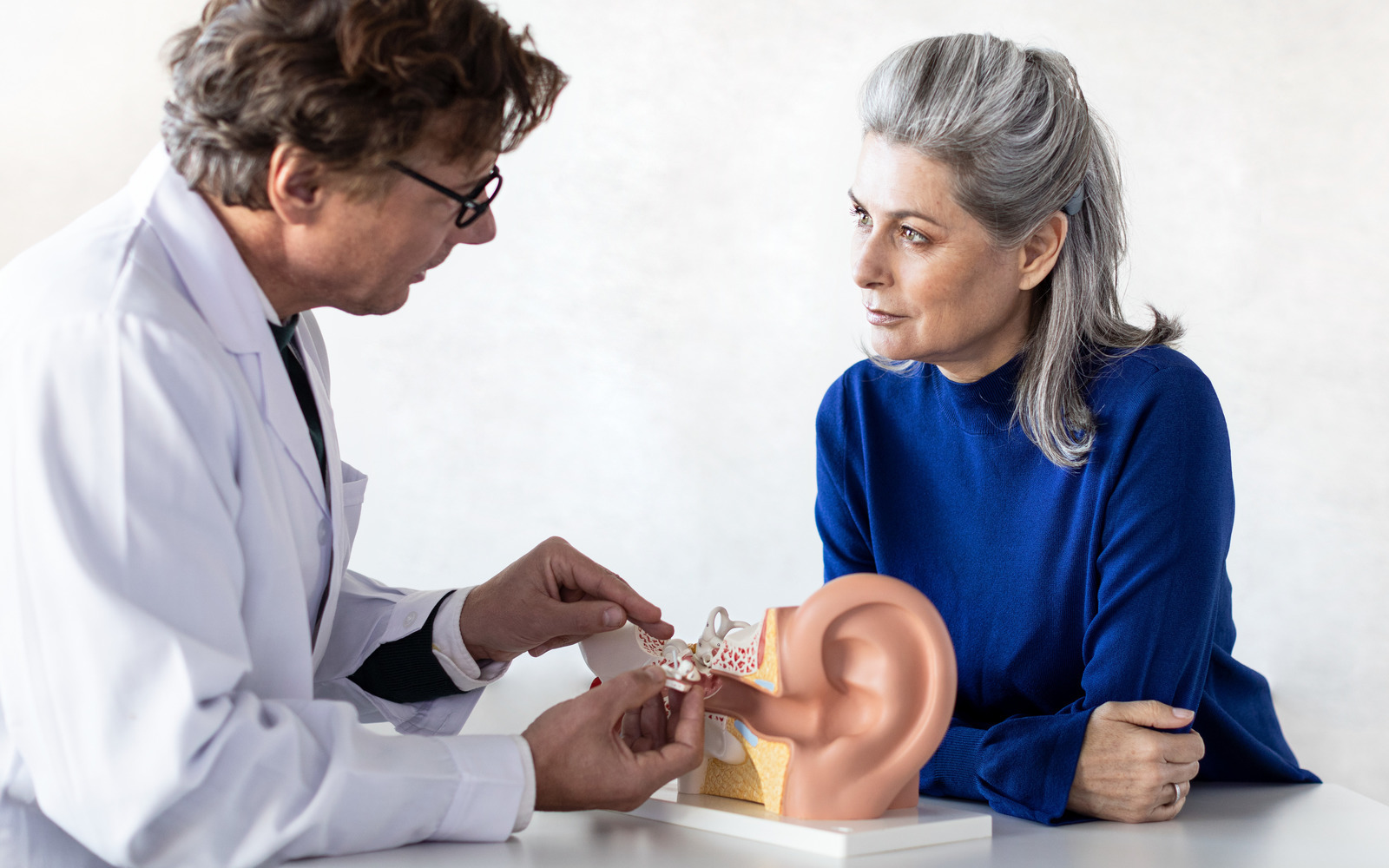
Sudden sensorineural hearing loss is a critical condition that demands prompt medical intervention. Symptoms can include a rapid loss of hearing, tinnitus (ringing in the ears), dizziness, and a feeling of fullness in the ear. Early treatment, often involving corticosteroids, can significantly improve the chances of hearing recovery.
Recognizing the Signs and Symptoms
The early manifestations of sensorineural hearing loss can be subtle, often worsening gradually. Adults may experience:
- Difficulty understanding conversations, especially in crowded or noisy settings.
- Muffled or distorted speech.
- Increased volume requirements for televisions and radios.
- Trouble hearing high-frequency sounds, such as birds chirping or the ringing of a telephone.
- Tinnitus, a persistent ringing, buzzing, or hissing sound in the ears.
In children, signs of SNHL can be more challenging to detect but may include:
- Delayed speech and language development.
- Inattentiveness or seeming not to listen.
- Difficulty following instructions.
- Responding only to loud noises or visual cues.
- Frequent requests for repetition.
When to Seek Professional Evaluation
A comprehensive hearing test is recommended if any of the following apply:
- You suspect you or your child may have hearing loss.
- You experience persistent ringing in your ears (tinnitus).
- You find yourself struggling to keep up with conversations.
- You have a family history of hearing loss.
- You have been exposed to loud noises regularly throughout your life.
Crucially, sudden hearing loss, whether partial or complete, is a medical emergency. If you experience a rapid decline in hearing, seek immediate medical attention from an Ear, Nose, and Throat (ENT) specialist or an emergency room.

Unraveling the Causes and Risk Factors
The etiology of sensorineural hearing loss is multifaceted, stemming from damage to the inner ear or auditory nerve. Key contributing factors include:
- Aging (Presbycusis): The gradual deterioration of hearing structures due to age is a primary cause of SNHL.
- Noise Exposure: Prolonged or intense exposure to loud noises, whether from occupational hazards (e.g., construction, manufacturing) or recreational activities (e.g., concerts, firearms), can irrevocably damage hair cells.
- Genetics: Inherited predispositions can lead to SNHL that may be present at birth or develop over time.
- Infections: Certain viral or bacterial infections, such as meningitis, measles, or mumps, can damage the auditory system.
- Ototoxic Medications: Some medications used to treat serious conditions like cancer or infections can have adverse effects on hearing. Examples include certain antibiotics (e.g., aminoglycosides), chemotherapy drugs (e.g., cisplatin), and high doses of aspirin.
- Head Trauma or Injury: Traumatic injuries to the head can disrupt the auditory pathways.
- Certain Medical Conditions: Chronic health issues like diabetes, high blood pressure, and autoimmune disorders can increase the risk of SNHL.
- Tumors: Acoustic neuromas, benign tumors on the auditory nerve, can impair hearing.
- Meniere’s Disease: This inner ear disorder can cause fluctuating hearing loss, vertigo, and tinnitus.
In a significant number of sudden SNHL cases, the precise cause remains elusive, underscoring the importance of prompt medical evaluation to rule out treatable conditions.
The Impact of Loud Noise on Hearing
The damaging effects of loud noise on hearing are well-documented. Exposure to decibel levels exceeding 85 dBA for extended periods can initiate the process of noise-induced hearing loss, a form of SNHL. Even brief exposure to extremely loud noises, such as explosions or gunshots, can cause immediate and permanent damage. The cumulative effect of repeated exposure to moderately loud noises over years can also lead to significant hearing impairment.
The U.S. Occupational Safety and Health Administration (OSHA) mandates hearing conservation programs for workers exposed to noise levels of 85 dBA or higher over an eight-hour workday. Recreational noise, often overlooked, can be equally detrimental. Concerts can reach levels of 110-120 dBA, and personal listening devices can expose users to dangerously high volumes. Temporary effects like ringing in the ears or a muffled sensation after noise exposure are critical warning signs that irreversible damage may be occurring.
Diagnosing Sensorineural Hearing Loss
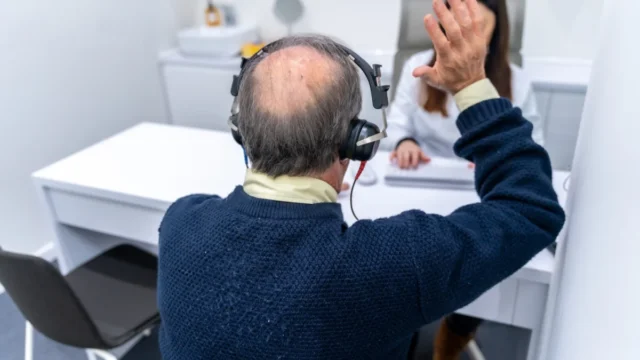
A definitive diagnosis of sensorineural hearing loss is established through a combination of hearing tests and a thorough medical examination of the ear by an audiologist or ENT specialist.
The diagnostic process typically involves:
- Otoscopy: A visual inspection of the ear canal and eardrum to check for any abnormalities.
- Audiometry: This series of tests assesses hearing ability across different frequencies and intensities.
- Pure-tone audiometry: Measures the softest sounds an individual can hear at various pitches.
- Speech audiometry: Evaluates the ability to hear and understand spoken words.
- Tympanometry: Assesses the function of the middle ear and eardrum.
- Acoustic reflex testing: Measures the involuntary contraction of middle ear muscles in response to loud sounds, which can help differentiate between types of hearing loss.
In specific cases, particularly with children or when the cause is unclear, additional tests may be recommended:
- Auditory Brainstem Response (ABR): Measures the electrical activity in the auditory nerve and brainstem in response to sound.
- Otoacoustic Emissions (OAEs): Detects "echoes" produced by the inner ear in response to sound, indicating healthy hair cell function.
- Imaging Studies: MRI or CT scans may be used to visualize the inner ear, auditory nerve, and brain for structural abnormalities or tumors.
- Genetic Testing: Can identify inherited factors contributing to SNHL.
These diagnostic procedures are generally painless and are designed to provide a clear understanding of an individual’s hearing profile, guiding the selection of the most appropriate management strategies.
Advanced Treatment and Management Strategies
The primary goal in managing sensorineural hearing loss is to enhance access to sound and improve communication, as the damaged hair cells or auditory nerve cannot be restored. Treatment approaches are tailored to the specific type and severity of SNHL.
Hearing Aids and Assistive Listening Devices (ALDs)
Modern hearing aids are sophisticated devices that amplify and shape sound, making speech and environmental sounds more audible. They are typically recommended for individuals with mild to moderate SNHL. However, due to the underlying damage, speech may still sound somewhat unclear, especially in noisy environments. A crucial adaptation period is often required as the brain adjusts to amplified sound, and proper fitting and regular follow-up appointments with an audiologist are essential for optimal results.
Assistive Listening Devices (ALDs) can further enhance communication for people with hearing loss. These include:
- Personal amplifiers: Devices that amplify sound directly to the user.
- FM systems: Transmit the speaker’s voice directly to the listener’s ear via a receiver.
- Telecoils: A feature in hearing aids that allows them to pick up sound directly from loop systems in public venues like theaters or lecture halls.
- Alerting devices: Devices that signal important sounds like doorbells or smoke alarms through visual or vibrating alerts.
Cochlear Implants: A Transformative Solution
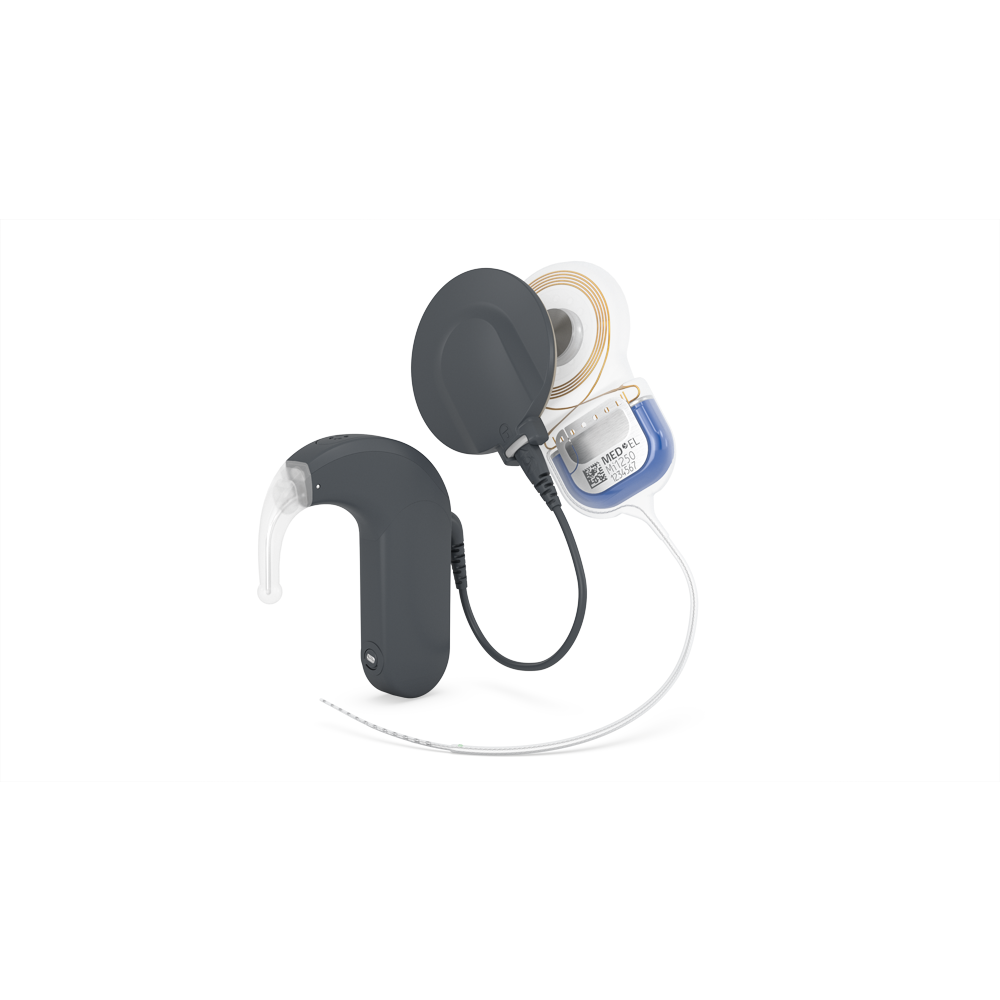
When hearing aids no longer provide sufficient benefit, particularly in cases of severe to profound SNHL, cochlear implants emerge as a transformative treatment option. Unlike hearing aids that amplify sound, cochlear implants bypass the damaged parts of the inner ear and directly stimulate the auditory nerve fibers with electrical signals.
Cochlear implants are typically considered when:
- Hearing loss is severe to profound.
- Hearing aids do not provide adequate benefit for understanding speech.
- There is a desire to improve spoken language understanding and communication.
Cochlear implants can be an option for both adults and children, offering a pathway to auditory awareness and spoken language development for those who would otherwise have significant challenges in these areas. The success of cochlear implantation hinges on comprehensive rehabilitation and consistent listening practice, allowing the brain to learn to interpret the electrical signals as sound.
For individuals and families considering cochlear implants, consulting with a local MED-EL team is a crucial step in understanding the evaluation process, surgical procedure, and post-implantation rehabilitation.
Living Well with Sensorineural Hearing Loss
Adapting to life with sensorineural hearing loss requires proactive strategies and a supportive environment. Small lifestyle adjustments can significantly enhance daily communication and overall well-being.
Practical tips for living with SNHL include:
- Communication Strategies: Face the person you are speaking with, ensure good lighting, and ask for clarification if needed. Reduce background noise whenever possible.
- Environmental Awareness: Utilize visual cues and be aware of your surroundings to compensate for reduced auditory input.
- Technology Integration: Explore and utilize ALDs and smart home devices that can provide alerts and enhance communication.
- Self-Advocacy: Communicate your hearing needs to friends, family, and colleagues.
- Emotional Support: It is normal to experience emotional challenges. Seeking support from mental health professionals or support groups can be highly beneficial.
Preventing further hearing loss is equally important. Key preventative measures include:
- Noise Protection: Wear hearing protection (earplugs or earmuffs) in noisy environments.
- Volume Control: Keep the volume of personal listening devices at moderate levels.
- Regular Hearing Check-ups: Schedule annual hearing screenings, especially if you are at high risk.
- Healthy Lifestyle: Manage underlying health conditions like diabetes and high blood pressure.
Conclusion and Future Directions
Sensorineural hearing loss is a significant health concern, but advancements in hearing technology and medical understanding offer substantial hope and improved outcomes. The journey from diagnosis to effective management is often one of adaptation and empowerment. By understanding the causes, recognizing the symptoms, and engaging with appropriate diagnostic and treatment options, individuals with SNHL can significantly enhance their ability to communicate, connect with others, and lead fulfilling lives.
For those experiencing potential signs of sensorineural hearing loss, seeking a prompt hearing test from an audiologist or ENT specialist is paramount. Remember, sudden hearing loss is a medical emergency requiring immediate professional attention. Exploring the array of hearing loss solutions available, from advanced hearing aids to life-changing cochlear implants, can pave the way for renewed auditory access and an improved quality of life. The MED-EL team remains a vital resource for individuals seeking information and support on their hearing journey.