The Evolution of Federal Heat Oversight
The impetus for this policy refinement stems from a persistent trend of rising global temperatures and the subsequent increase in workplace injuries directly attributable to heat stress. Over the past several years, OSHA has transitioned from a reactive agency to one that proactively identifies sectors where the intersection of physical labor and environmental conditions poses a lethal risk.
Historically, OSHA lacked a dedicated, heat-specific federal standard, often relying on the General Duty Clause of the Occupational Safety and Health Act of 1970 to cite employers for failing to provide a workplace free from recognized hazards. However, the introduction of the National Emphasis Program in recent years codified the agency’s commitment to addressing heat as a systemic, rather than isolated, workplace safety failure. The current iteration of this program represents the next phase of this strategy, refining the scope to ensure that compliance officers can move with greater agility and precision when environmental conditions turn hazardous.
Data-Driven Enforcement: The 2022-2025 Shift
The revised strategy is fundamentally underpinned by a rigorous analysis of data compiled by the Bureau of Labor Statistics (BLS) between 2022 and 2025. By examining trends in injury reports, emergency room visits, and heat-related fatalities, OSHA has identified 55 specific industries deemed to be at the highest risk. These sectors range from construction and agricultural production to industrial manufacturing and warehouse logistics, where heavy exertion and high ambient temperatures often collide.
The removal of outdated background information and rigid, pre-set numerical inspection goals reflects a maturation in the agency’s enforcement philosophy. Rather than chasing quotas, OSHA is now prioritizing "impact-based" inspections. This means that compliance officers are empowered to use real-time data from the National Weather Service to trigger inspections on days when heat indices reach critical thresholds. If a compliance officer is already on-site for a separate matter and detects heat-related hazards during a declared heat advisory, they are now authorized to expand the scope of their investigation, effectively allowing the agency to maximize its limited resources.
Regulatory Mechanics and Compliance Protocols
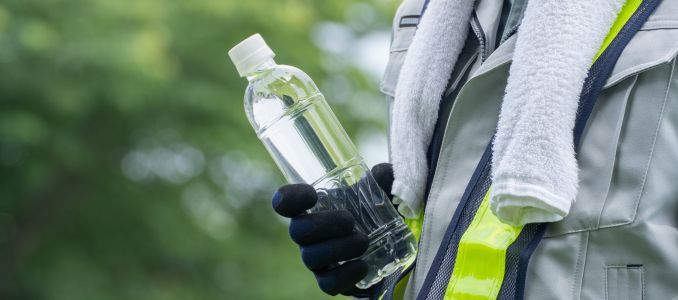
For business owners and safety directors, the updated guidelines offer a clearer, if more stringent, roadmap for compliance. The agency has reorganized its guidance regarding how employers should evaluate their internal heat illness prevention programs. This guidance emphasizes the "three pillars" of heat safety: water, rest, and shade.
The new inspection protocol dictates that when the National Weather Service issues a heat advisory or warning, OSHA compliance officers are directed to conduct proactive inspections in the designated high-risk industries. During these visits, inspectors will examine whether employers have established a heat acclimatization plan for new workers, whether they are providing sufficient potable water in accessible locations, and whether they have clear protocols for monitoring employees for symptoms of heat exhaustion or heat stroke.
The agency has also provided more granular instructions for citation procedures. By clarifying exactly what constitutes a violation, OSHA aims to provide employers with a more predictable regulatory environment, even while increasing the likelihood of enforcement actions for those who fail to maintain adequate safety measures.

The Role of On-Site Consultation
Despite the increased focus on enforcement, OSHA continues to emphasize its role as a partner in workplace safety. The agency maintains its On-Site Consultation Program, a voluntary and confidential service designed primarily for small and medium-sized enterprises (SMEs). This program allows businesses to identify potential hazards in their workplaces and receive professional advice on how to implement effective safety controls without the immediate threat of penalties.
For many smaller operations, the cost of implementing sophisticated climate-controlled environments or automated hydration monitoring systems can be prohibitive. The consultation program is designed to bridge this gap, offering technical guidance that is tailored to the specific operational realities of smaller firms. By helping these businesses develop proactive safety strategies, OSHA hopes to reduce the prevalence of heat-related incidents before they occur, thereby lowering the need for punitive interventions.
Broader Economic and Public Health Implications
The decision to refine the National Emphasis Program comes at a time when the labor market is grappling with the dual pressures of a changing climate and a tight labor supply. Heat stress is not merely a public health concern; it is an economic one. According to various labor studies, heat-related injuries lead to significant productivity losses, increased workers’ compensation claims, and high turnover rates in physically demanding sectors.
From an industrial standpoint, the updated NEP signals that the federal government considers heat safety to be a non-negotiable operational cost. Industries that fail to adapt may face not only legal consequences but also increased difficulty in recruiting and retaining workers who are increasingly aware of the dangers associated with extreme weather conditions. As the workforce ages and the frequency of extreme heat events continues to rise, the industries identified by OSHA will be under intense scrutiny to demonstrate that they are providing a safe environment.
Chronology of Heat Policy Development
To understand the weight of these changes, it is necessary to look at the recent timeline of federal action on heat stress:
- 2021: OSHA begins the process of establishing a federal heat standard, initiating the formal rulemaking process while simultaneously launching an initial National Emphasis Program for heat-related hazards.
- 2022-2023: The agency collects and analyzes nationwide data on heat-related workplace injuries, identifying significant gaps in reporting and safety compliance across the Southern and Western United States.
- 2024: A period of intensive data review and stakeholder outreach occurs, involving labor unions, trade associations, and public health experts to determine the efficacy of current inspection strategies.
- April 2026: The Department of Labor officially unveils the revised, streamlined National Emphasis Program, incorporating the latest findings from the 2022-2025 study period and shifting toward real-time, data-triggered enforcement.
Expert Analysis and Stakeholder Perspectives
While the official mandate comes from the Department of Labor, the implications are being analyzed by a broad spectrum of stakeholders. Industrial hygienists have largely praised the shift toward data-driven, weather-triggered inspections, noting that it aligns with the reality of how heat affects the body. The physiological stress of heat is cumulative; therefore, focusing on the days when temperatures are most extreme provides a more accurate assessment of risk than random, year-round inspections.

Conversely, some industry advocacy groups have expressed concerns regarding the logistical burden of the new guidelines. The primary point of contention often revolves around the definition of "high-risk industries." For businesses operating in regions that are traditionally temperate but experiencing anomalous heat events, there is concern that the criteria may be overly broad. However, OSHA maintains that the 55 identified industries are based on statistical probability of injury, not regional geography, ensuring that the program remains focused on the most vulnerable workers regardless of their location.
Future Outlook: A Five-Year Horizon
The revised program is scheduled to remain in effect for five years, a timeframe that suggests the agency expects the current environmental volatility to persist through the end of the decade. This five-year window will likely serve as a transition period as the agency moves toward the eventual goal of a permanent, codified heat standard.
In the interim, the success of this program will be measured by the reduction in heat-related emergency room admissions and the decrease in OSHA-reportable heat illnesses. If the data shows a downward trend, it will bolster the argument for more comprehensive federal standards. If, however, incident rates remain high, it is likely that the agency will pursue even more stringent regulatory measures.

As the summer months approach, the significance of this update will be tested in the field. Compliance officers are now better equipped with the tools, the data, and the legal framework to intervene when conditions threaten the safety of the American worker. For employers, the message is clear: the era of treating heat as an unavoidable byproduct of outdoor or industrial work has ended. In its place, the federal government has established a framework where heat protection is treated with the same level of seriousness as machinery guarding, chemical safety, and fall protection. The coming five years will be a definitive test of the nation’s capacity to protect its workforce against a warming world.