
The study, spearheaded by Mark Albers, MD, PhD, of the Laboratory of Olfactory Neurotranslation and the McCance Center for Brain Health at Massachusetts General Hospital, centers on the development and validation of the Aromha Brain Health Test. This tool allows participants to engage in "scent-based screening" by sniffing odor labels on a card and answering specific questions designed to challenge different facets of olfactory processing. The findings represent a significant step forward in the democratization of neurology, moving complex diagnostic capabilities from the sterile environment of a specialized clinic into the patient’s living room.
The Neuroanatomical Link Between Scent and Memory
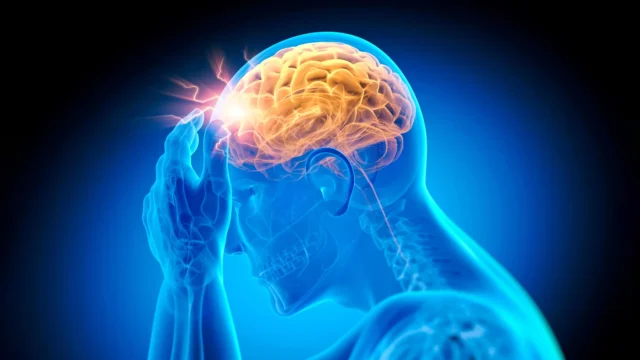
To understand why a "sniff test" can predict brain health, one must look at the unique architecture of the human olfactory system. Unlike the senses of sight or hearing, which are processed through several intermediary relays in the brain, the olfactory bulb has a direct, privileged connection to the limbic system. Specifically, the olfactory pathways are intimately intertwined with the entorhinal cortex and the hippocampus—the very regions of the brain that serve as the ground zero for Alzheimer’s disease and other forms of dementia.
Pathologically, neurodegenerative diseases like Alzheimer’s are characterized by the accumulation of amyloid-beta plaques and tau tangles. Research has shown that these toxic proteins often begin their assault on the brain in the olfactory bulb and the entorhinal cortex long before they spread to the areas responsible for executive function and long-term memory. Consequently, "olfactory dysfunction"—the subtle or total loss of the sense of smell—often appears as a prodromal symptom, sometimes preceding clinical memory loss by a decade or more.
By targeting this specific sensory pathway, the Mass General Brigham team aims to identify "at-risk" individuals during a critical therapeutic window. As Dr. Albers noted, early detection is the lynchpin of modern neurology, allowing for lifestyle interventions and pharmacological treatments to be deployed when they are most likely to be effective.
Methodology and Participant Demographics
The research team recruited a diverse cohort to evaluate the efficacy of the Aromha test. The study included English and Spanish-speaking participants, a crucial inclusion designed to ensure the test’s cross-cultural applicability. The participants were categorized into several groups: those with subjective cognitive complaints (individuals who feel their memory is failing despite normal testing), those diagnosed with mild cognitive impairment (MCI), and cognitively normal older adults. A control group of individuals with no sense of smell (anosmia) was also utilized for baseline comparison.
The test itself was designed to be rigorous yet user-friendly. Participants were tasked with scratching and sniffing odor labels on a card. The test measured three distinct olfactory domains:
- Odor Identification: The ability to correctly name a specific scent (e.g., distinguishing a rose from a lemon).
- Odor Discrimination: The ability to tell the difference between two similar or distinct scents.
- Odor Memory: The ability to remember a scent presented earlier in the testing session.
A key component of the study was determining whether the test could be performed reliably at home without the supervision of a clinician. The results were definitive: participants performed the test with equal success regardless of whether a research assistant was present. This finding validates the potential for large-scale, population-level screening via mail-in kits.
Data Analysis: Declining Scores and Age Correlation
The data collected by the research team revealed a clear downward trajectory in olfactory performance associated with cognitive decline. Older adults diagnosed with mild cognitive impairment (MCI) scored significantly lower in odor discrimination and identification than their cognitively normal peers. Furthermore, the researchers observed that all three domains—identification, memory, and discrimination—showed a natural decline with advancing age, but the decline was markedly accelerated in those with underlying neurological issues.
Statistical analysis showed that the test was equally effective for both English and Spanish speakers, suggesting that the biological markers of olfactory loss transcend linguistic and cultural barriers. This is a vital finding for public health, as it suggests that olfactory screening could be implemented in diverse global populations without the need for extensive cultural recalibration.
A Timeline of Olfactory Research and Development
The current study is the culmination of years of research within the Mass General Brigham healthcare system. The Laboratory of Olfactory Neurotranslation has long focused on the intersection of sensory biology and neurodegeneration.
- Early 2010s: Research begins to solidify the link between the olfactory bulb and early-stage Alzheimer’s pathology.
- Development Phase: Dr. Mark Albers and colleagues work to translate laboratory findings into a portable, "scratch-and-sniff" format that maintains clinical accuracy.
- Company Formation: To bring the technology to the public, Albers helped found Aromha, Inc., a company dedicated to scent-based screens for neurodegenerative disorders and, more recently, COVID-19.
- Validation Phase: The team secures funding from the National Institutes of Health (NIH), specifically through Small Business Technology Transfer (STTR) and Research Project (R01) grants, to conduct the current study published in Scientific Reports.
This timeline highlights the transition from "bench to bedside"—a common goal in medical research where laboratory discoveries are transformed into tangible tools for patient care.
Addressing Potential Conflicts of Interest
As is common in high-level medical research that results in commercial products, the study includes significant financial disclosures. Dr. Mark Albers and several co-authors, including Sean Reineke (CEO of Aromha, Inc.), hold financial interests and shares in the company. These interests are managed and reviewed by Massachusetts General Hospital and the Mass General Brigham healthcare system in accordance with their conflict-of-interest policies.
While commercial involvement can sometimes raise questions regarding objectivity, the peer-review process of Scientific Reports and the external funding from the NIH serve as vital checks and balances. The transparency of these disclosures ensures that the scientific community and the public can evaluate the data within the context of the test’s commercial development.
Broader Implications for Public Health and Clinical Research
The implications of a validated, at-home olfactory test are profound. Currently, the "gold standard" for diagnosing Alzheimer’s involves PET scans (which can cost thousands of dollars) or cerebrospinal fluid analysis (which requires a painful spinal tap). These methods are not feasible for routine screening of the general population.
A cost-effective, non-invasive test like the Aromha Brain Health Test could revolutionize the clinical landscape in several ways:
- Pre-Screening for Clinical Trials: Pharmaceutical companies struggle to find participants in the earliest stages of Alzheimer’s. A smell test could act as a filter, identifying "high-risk" individuals for more expensive follow-up testing.
- Rural and Underserved Access: Patients in remote areas who lack access to neurology centers could perform the test at home and mail back the results.
- Longitudinal Monitoring: Because the test is inexpensive, it can be taken annually, allowing doctors to track a patient’s olfactory "trajectory" over time. A sudden drop in scores could trigger an immediate clinical intervention.
Future Directions: Predicting the Unpredictable
The researchers emphasize that while the current results are promising, the tool is still evolving. Future studies will likely incorporate neuropsychological testing alongside olfactory scores to create a more comprehensive "brain health profile." Additionally, longitudinal studies—following the same group of patients over five to ten years—will be necessary to confirm if a low score on the Aromha test can accurately predict the exact timeline of future cognitive decline.
The ultimate goal is a paradigm shift in how we view brain health. Just as blood pressure is monitored to prevent heart attacks and colonoscopies are performed to prevent cancer, olfactory testing may one day become a routine part of geriatric care, helping to identify the "silent" phase of neurodegeneration before the brain’s cognitive reserves are permanently depleted.
As Dr. Albers concluded, the success of this study in different languages and settings suggests that we are on the cusp of a new era in neurodegenerative diagnostics. By listening to what the "nose knows," clinicians may finally gain the upper hand in the fight against Alzheimer’s and other devastating diseases of the mind.