

The Evolution of the Rideshare Workforce
The emergence of major rideshare platforms in the early 2010s marked a shift in labor dynamics. Unlike traditional taxi services, which were governed by strict municipal regulations, standardized vehicle inspections, and mandatory driver training programs, the rideshare model leveraged independent contractor status. This structure allowed for rapid scaling but effectively decentralized safety oversight.
By 2015, the industry had reached critical mass, and by 2020, research from the National Highway Traffic Safety Administration (NHTSA) began to highlight a correlation between the surge in rideshare activity and an increase in urban traffic density. As these drivers became an integral part of the workforce, the lack of a centralized "office" environment complicated the implementation of standard Occupational Safety and Health Administration (OSHA) guidelines, which are primarily designed for static, employer-controlled workspaces.
Analyzing the Risk Factors for Mobile Personnel
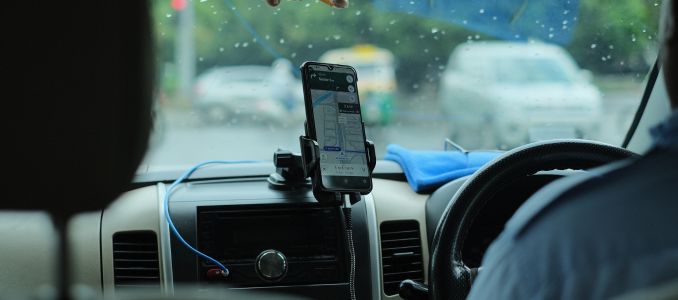
The primary occupational hazard for a rideshare driver is the road itself, yet the risks are exacerbated by the unique demands of the gig economy. Unlike a standard delivery driver who may follow a predictable route, a rideshare operator is in a constant state of "task-switching." This includes monitoring the application interface for new ride requests, navigating complex traffic patterns, and managing passenger interactions.
Data from the Centers for Disease Control and Prevention (CDC) suggests that long work hours—frequently exceeding the recommended eight-to-ten-hour shifts—are a leading cause of driver fatigue. In the context of rideshare, this is compounded by the "gamification" of the platform. Drivers are often incentivized to remain online during peak demand hours, such as late nights or early mornings, to maximize earnings through "surge pricing." This incentive structure can override biological fatigue signals, leading to decreased reaction times, impaired decision-making, and an increased likelihood of traffic incidents.

Furthermore, the digital interface presents a significant distraction. A 2023 study by the Insurance Institute for Highway Safety (IIHS) indicated that drivers who frequently interact with mobile applications while in motion are 3.5 times more likely to be involved in a collision than those who do not. For occupational health leaders, this underscores the necessity of implementing distraction-awareness training that addresses not just cell phone usage, but the psychological pressures of managing digital workflows while operating heavy machinery.
The Chronology of Regulatory Scrutiny
The safety debate surrounding rideshare platforms did not arise in a vacuum. It followed a decade of high-profile legal challenges and public outcry regarding the duty of care owed to both drivers and passengers.
- 2012–2014: Initial growth phase characterized by minimal regulatory intervention and a focus on market penetration.
- 2015–2017: Initial wave of lawsuits alleging that rideshare companies failed to provide adequate safety background checks or implement vehicle maintenance standards.
- 2018–2020: Increased legislative activity at the state and municipal levels, resulting in mandatory insurance requirements and the implementation of "driver rest" features within mobile apps to prevent excessive driving.
- 2021–Present: A transition toward proactive occupational health initiatives, where some platforms have begun partnering with telematics providers to monitor harsh braking, speeding, and unauthorized mobile device use.
Economic and Legal Implications for Stakeholders
The consequences of a rideshare accident extend far beyond the immediate physical damage. For the driver, a collision often results in a total cessation of income. Because many rideshare drivers operate as independent contractors, they frequently lack the robust workers’ compensation coverage afforded to traditional employees. This creates a financial vulnerability that can force drivers to return to work prematurely, potentially increasing the risk of secondary accidents.
For passengers, the legal landscape is equally labyrinthine. Following a collision, passengers must navigate complex insurance layers—often involving personal policies, platform-provided coverage, and third-party liability. Legal experts, such as those specializing in personal injury in high-density markets like Kansas City or New York, emphasize that determining liability is the most significant hurdle. The "gray area" of when a driver is considered "on the clock" (i.e., logged into the app versus waiting for a request) remains a focal point of litigation.

Occupational Health Takeaways for Modern Enterprise
What can established industries learn from the rideshare experience? For any organization overseeing a mobile or contract workforce, the "Safety Takeaway" is clear: decentralization of the workplace does not absolve the organization of its responsibility to manage risk.
- Fatigue Management Policies: Companies must shift from passive monitoring to active intervention. This includes implementing mandatory rest breaks and utilizing telematics to detect patterns of fatigue before an incident occurs.
- Digital Workflow Optimization: The design of work tools—be they smartphones, tablets, or specialized scanners—must prioritize safety. Interfaces should be optimized for "glance-and-go" usage, with lockout features that prevent interaction while the vehicle is in motion.
- Standardized Training Protocols: Relying on independent contractors to self-regulate is insufficient. Employers should mandate a baseline of safety certification that includes defensive driving, situational awareness, and emergency response training.
- Clear Liability and Support Frameworks: Occupational health leaders must ensure that all contract workers are fully informed of their insurance coverage and the support resources available to them in the event of an accident. Providing a clear, transparent protocol for reporting incidents reduces the likelihood of legal complications and ensures that safety metrics remain accurate.
Looking Toward a Standardized Future
The future of mobile workforces relies on the integration of technology and safety culture. As autonomous vehicle technology continues to evolve, the human element remains the most significant variable in road safety. Occupational health leaders are now challenged to bridge the gap between technological convenience and human physiological limits.

Industry analysts suggest that the next phase of mobile workforce safety will involve the widespread adoption of AI-driven driver monitoring systems. These systems can analyze gaze, posture, and driving behavior in real-time, providing immediate feedback to the operator. While this raises privacy concerns, it represents the most viable path toward reducing the accident rates that have plagued the rideshare sector since its inception.
Ultimately, the rideshare industry’s journey serves as a vital lesson in the necessity of proactive governance. When safety is treated as a secondary consideration to speed and scale, the human and economic costs are inevitably borne by the workers and the public. For those in leadership roles, the mandate is to build systems that prioritize the safety of the individual, regardless of whether that individual is sitting at a desk or behind the wheel of a vehicle miles away from the home office. By applying these lessons, organizations can foster a safer, more sustainable environment for the modern, mobile workforce.