

The free online platform Storyline Online, renowned for its celebrity-readings of children’s literature, offers a rich collection of resources that can be particularly impactful in educational settings, including speech therapy. This curated list highlights ten books featuring Black main characters, each accompanied by specific speech and language therapy goals and core vocabulary, making them invaluable tools for educators and therapists. These selections are not only engaging for young learners but also designed to address crucial developmental milestones in communication.
Storyline Online, a project of the SAG-AFTRA Foundation, provides a free, accessible library of videos where actors read popular children’s picture books. The platform’s mission is to encourage a love of reading and improve literacy skills. Its effectiveness is amplified by the engaging delivery of well-known actors, capturing the attention of children and fostering a positive association with books. For speech-language pathologists (SLPs), these videos present a unique opportunity to integrate literature into therapy sessions, targeting a wide range of language and communication goals.
The selection of books focusing on Black main characters is particularly significant, offering children diverse representation and windows into various cultural experiences. These stories can foster empathy, broaden understanding, and empower young readers by seeing themselves and their communities reflected in literature. The article specifically identifies connections to Individualized Education Program (IEP) goals and provides core vocabulary lists, transforming passive viewing into active learning. These resources are designed to be utilized year-round, transcending specific cultural observances like Black History Month.
A Complementary Resource for Deeper Engagement
To further enhance the learning experience, a free resource, the "Carter G. Woodson & the History of Black History Month Close Reading Pack," is offered. This downloadable material is designed to pair seamlessly with any book on the list, providing educators and therapists with a ready-made activity that reinforces themes and historical context. The pack is structured to be relevant and beneficial throughout the year, underscoring the enduring importance of Black history and contributions.
Featured Selections for Targeted Therapy Goals
The following ten books, all available on Storyline Online, have been identified for their therapeutic potential, with specific guidance on their application:
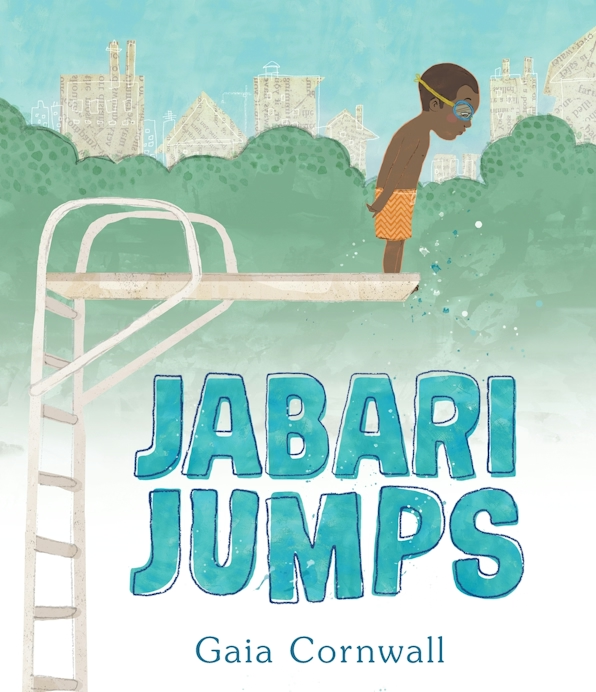
1. Jabari Jumps by Gaia Cornwall
Read by Sheryl Lee Ralph, "Jabari Jumps" (Ages 4-8) tells the story of a young boy named Jabari who is preparing to jump off the high diving board. The narrative beautifully captures his initial apprehension and the supportive presence of his father. This book is particularly effective for targeting Social-Emotional Language Goals. The core vocabulary list includes words like "go," "wait," "try," "ready," "stop," "look," "scared," "help," "want," and "jump." Therapists can use the story to facilitate discussions about emotions, using phrases like, "He felt nervous because the board was so high," to model emotion vocabulary and cause-and-effect language in a natural, context-rich environment. The story’s focus on bravery and overcoming fear makes it relatable for children facing their own challenges.
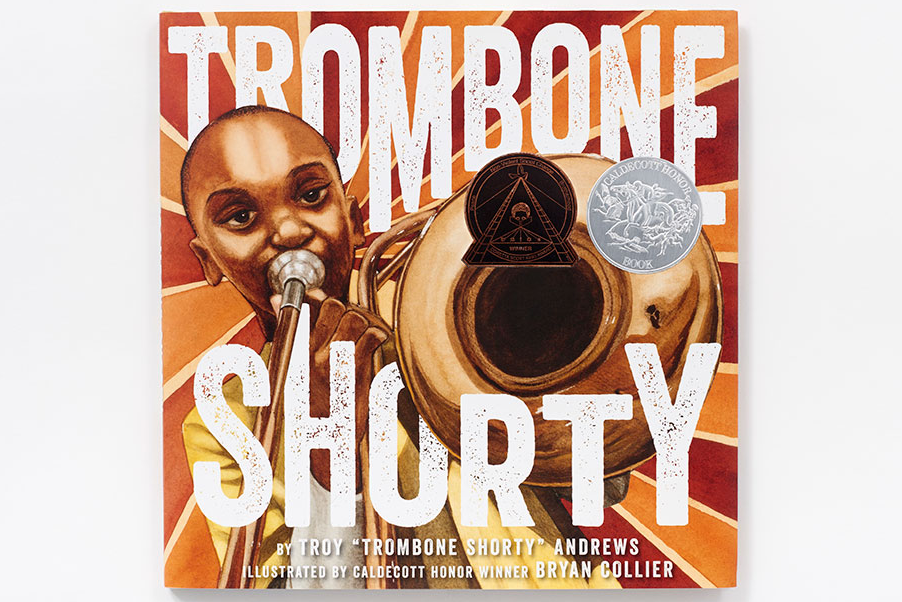
2. Trombone Shorty by Troy Andrews
Narrated by Angela Bassett, "Trombone Shorty" (Ages 4-8) is the biographical tale of jazz musician Troy Andrews, who achieved remarkable musical success at a young age. The book celebrates music, community, and ambition. It is ideal for addressing Narrative Language Goals. The core vocabulary includes "play," "music," "big," "go," "make," "can," "keep," "try," "loud," "want," and "more." The clear chronological structure of the story, from beginning to end, provides an excellent framework for practicing story grammar, retelling, and sequencing. This makes it a valuable tool for students developing organized narrative skills, enabling them to construct coherent and detailed accounts of events.
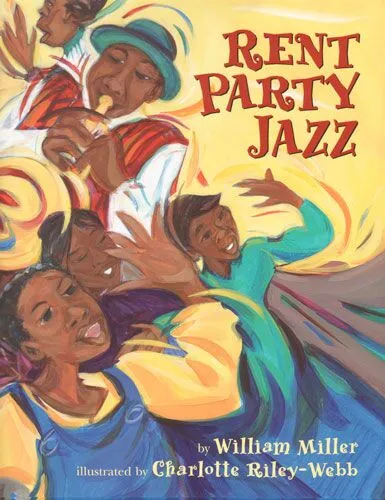
3. Rent Party Jazz by William Miller
Voiced by Viola Davis, "Rent Party Jazz" (Ages 5-9) is set in 1930s New Orleans and depicts a community coming together to help a neighbor facing financial hardship. The story is a heartwarming illustration of mutual support and resilience. This book is highly beneficial for Cause and Effect Language Goals. Key vocabulary includes "help," "go," "need," "work," "more," "money," "give," "together," "feel," "come," and "play." The narrative is structured around a series of interconnected events, offering inherent opportunities to practice identifying cause-and-effect relationships, such as, "Sonny needed help because his mama lost her job." This story is also adept at supporting the development of complex sentence structures.
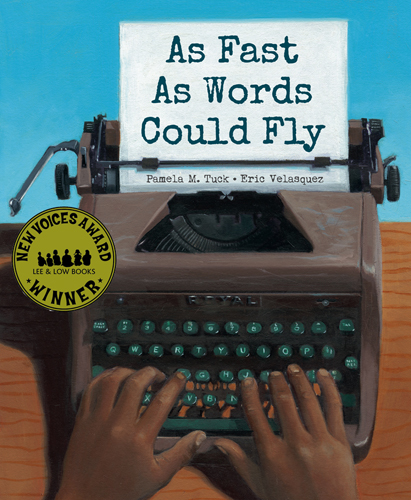
4. As Fast As Words Could Fly by Pamela M. Tuck
Dulé Hill reads "As Fast As Words Could Fly" (Ages 6-10), a story inspired by events in 1960s North Carolina. It follows Mason, a young Black boy who learns to type to express himself and challenge segregation at his school. This book is excellent for Vocabulary Development Goals. The core vocabulary includes "write," "learn," "fast," "try," "go," "more," "do," "help," "can," "words," and "show." The story naturally incorporates rich, content-specific vocabulary such as "segregation," "determination," and "challenge." Therapists can use this text to target word definitions, synonyms, and the construction of original sentences, grounding vocabulary acquisition in a powerful, true narrative.
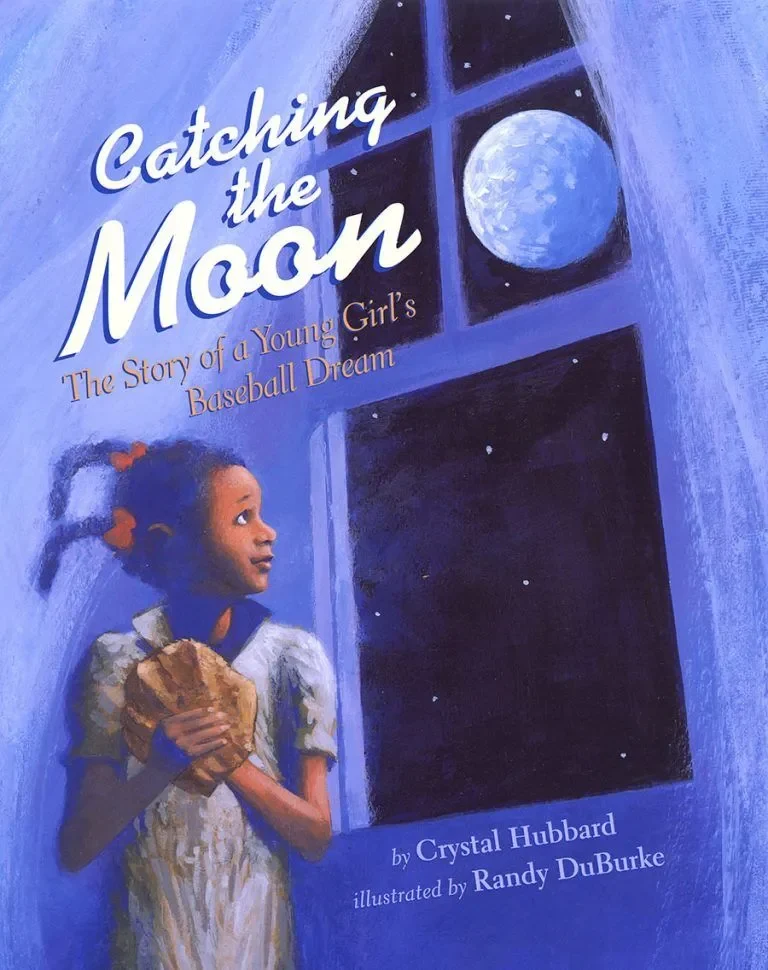
5. Catching the Moon by Crystal Hubbard
Read by Kevin Costner and Jillian Estell, "Catching the Moon" (Ages 4-8) tells the true story of Marcenia "Toni" Stone, the first woman to play on a professional all-male baseball team, defying societal expectations. This book is ideal for Problem-Solution Narrative Goals. The core vocabulary includes "play," "go," "can," "try," "big," "want," "more," "do," "like," "help," and "keep." The narrative presents multiple obstacles and resolutions, providing ample opportunities for students to identify problems, propose solutions, and articulate the outcomes, thereby strengthening their understanding of narrative structure and strategic thinking.
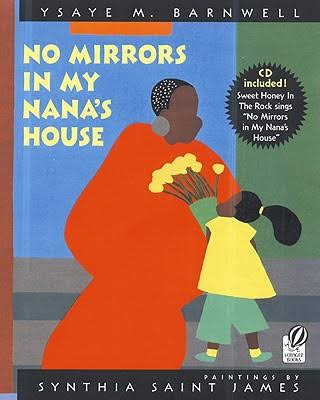
6. No Mirrors in My Nana’s House by Ysaye M. Barnwell
Tia and Tamera Mowry narrate "No Mirrors in My Nana’s House" (Ages 3-7), a lyrical, song-based story about a young girl who perceives her beauty through the loving gaze of her grandmother. Based on a song by Sweet Honey in the Rock, this book is exceptionally well-suited for AAC Core Vocabulary Modeling. The core vocabulary list comprises repetitive and foundational words: "see," "look," "beautiful," "feel," "like," "love," "I," "eyes," "tell," and "show." The repetitive, song-like nature of the text offers consistent opportunities for modeling core vocabulary on Augmentative and Alternative Communication (AAC) devices, facilitating natural and contextually relevant communication practice during video playback.
7. To Be a Drum by Evelyn Coleman
James Earl Jones lends his powerful voice to "To Be a Drum" (Ages 4-8), a story about a father explaining the significance of the "drum"—the rhythmic connection that binds African people across generations. This book is particularly effective for Fluency Goals. The core vocabulary includes "feel," "hear," "move," "go," "big," "strong," "together," "beat," "deep," and "keep." The consistent rhythm and flow of the text naturally support the development of fluent speech. Therapists can use tapping or clapping to help students internalize a smooth pacing, transforming the practice into a fun and meaningful exercise for improving speech fluidity.
8. The Hula-Hoopin’ Queen by Thelma Lynne Godin
Oprah Winfrey reads "The Hula-Hoopin’ Queen" (Ages 4-8), which centers on Kameeka’s desire to win a hula-hooping competition while also needing to assist her neighbor. This story offers excellent opportunities for Social Pragmatics Goals. The core vocabulary includes "go," "help," "want," "do," "more," "like," "feel," "good," "fast," "stop," and "please." Kameeka’s social dilemma provides a rich context for role-playing, discussing perspective-taking, and exploring the consequences of different choices, thereby enhancing social communication skills and understanding of social cues.
9. Fresh Juice by Robert Liu-Trujillo
Da’Vine Joy Randolph narrates "Fresh Juice" (Ages 3-7), following Art and his father as they gather ingredients from their neighborhood to make fresh juice. This colorful and heartwarming story is ideal for Sequencing and Following Directions Goals. The core vocabulary includes "go," "get," "more," "big," "little," "put," "make," "we," "together," "help," and "want." The step-by-step process of making juice provides a natural structure for practicing sequencing skills, using temporal markers like "first," "next," "then," and "last," and for giving and following directions within a narrative context.

10. Abdul’s Story by Jamilah Thompkins-Bigelow
Tramell Tillman reads "Abdul’s Story" (Ages 4-8), about Abdul, who loves storytelling but struggles with writing, finding his letters unruly. When a visiting author shares her own writing challenges, Abdul learns that mistakes are an integral part of the creative process. This book is beneficial for Articulation Goals, specifically targeting mixed /r/ and /s/ sounds. The core vocabulary includes "write," "tell," "story," "try," "make," "go," "more," "help," "like," and "words." The text naturally contains target sounds within words like "really," "right," "refuse," "story," "stay," and "straight," providing meaningful context for articulation practice that feels more conversational than drill-based.
Enhancing Teletherapy Sessions
The article also offers practical advice for integrating these resources into teletherapy sessions. While specific tips are not detailed in the provided excerpt, the implication is that the visual and auditory elements of Storyline Online, combined with the targeted vocabulary and goals, can be effectively adapted for remote learning environments. This could include screen sharing the videos, using interactive whiteboard features to highlight vocabulary, and employing breakout rooms for small group practice.
The recommendation to "Save this one and send it to a fellow SLP" underscores the value of sharing these expertly curated resources within the professional community. Such collaboration is vital for disseminating best practices and ensuring that educators and therapists have access to high-quality, evidence-based tools.
The broader implication of this curated list is the recognition of the power of representation in literature and its direct impact on educational outcomes. By providing access to stories that reflect the diversity of the children they serve, Storyline Online and resources like this article contribute to a more inclusive and effective learning landscape. The emphasis on specific, actionable therapeutic goals transforms these engaging stories into powerful instruments for language development, communication enhancement, and the overall academic and social-emotional growth of young learners. The continued development and sharing of such resources are critical for supporting the vital work of speech-language pathologists and educators worldwide.
 Faris Yulianto